From 5 to 12 July, USB hosted in Thessaloniki the Intensive Academy of the ROLES project. The Academy brought together youth workers, trainers, facilitators, and professionals in the field of youth from countries of the European Union and the Western Balkans, with the aim of equiping them with artistic and dramatherapy tools to reduce mental-health stigma in their work with youth.
Through a comprehensive programme of activities, participants were introduced to practical methodologies that can be applied in their daily work with young people, contributing to the creation of environments that promote acceptance, equal participation, psychosocial empowerment, and inclusion.
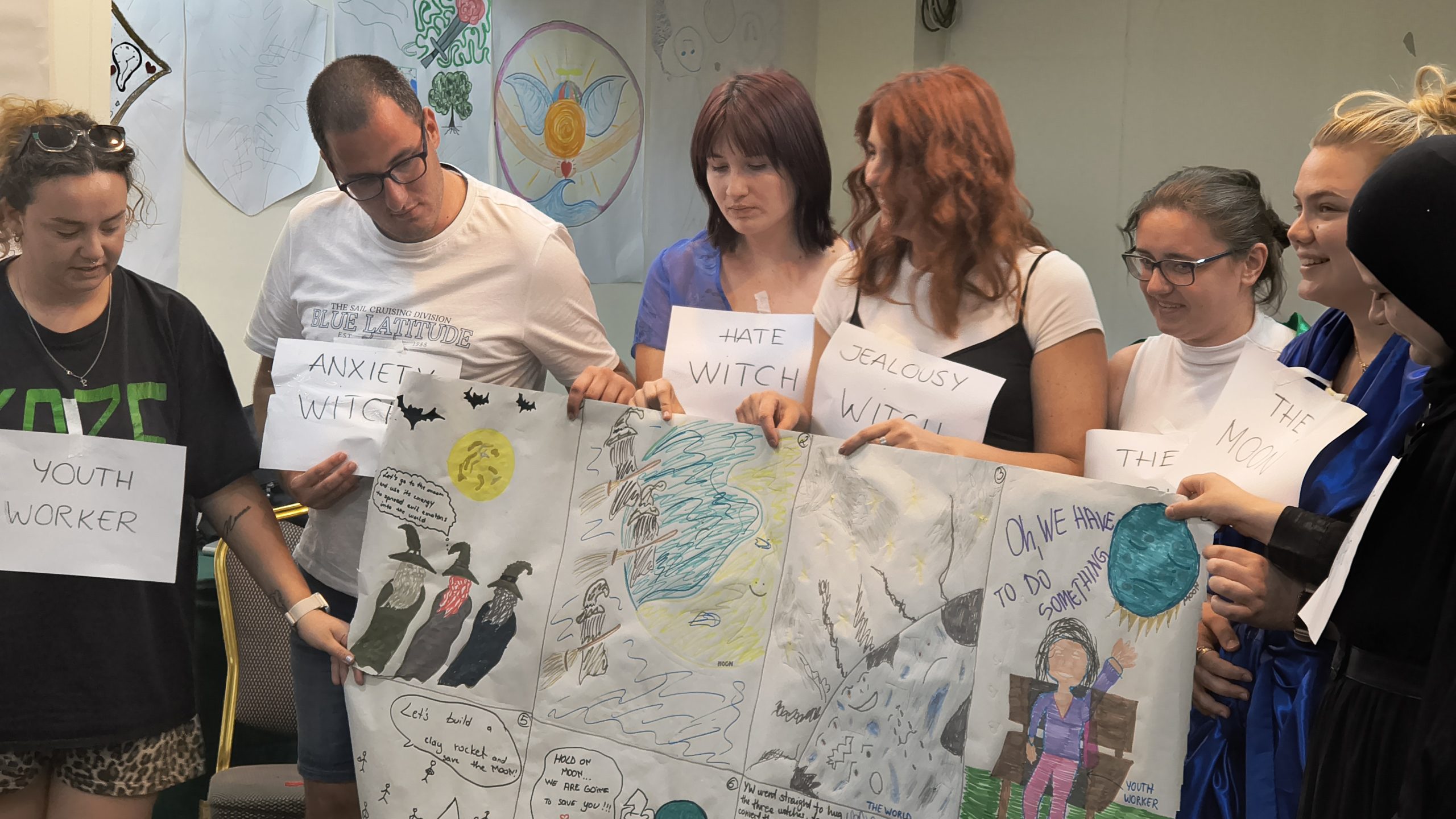
The educational process was informed by Joseph Campbell’s Hero’s Journey, a widely recognised narrative framework that describes personal transformation through challenge, reflection, and growth. Within the context of the ROLES project, this framework was used as a conceptual tool for exploring the experiences of individuals who encounter fear, self-doubt, and social exclusion as a result of mental health stigma. The approach highlighted the importance of self-awareness, supportive relationships, and community participation in fostering resilience and well-being.
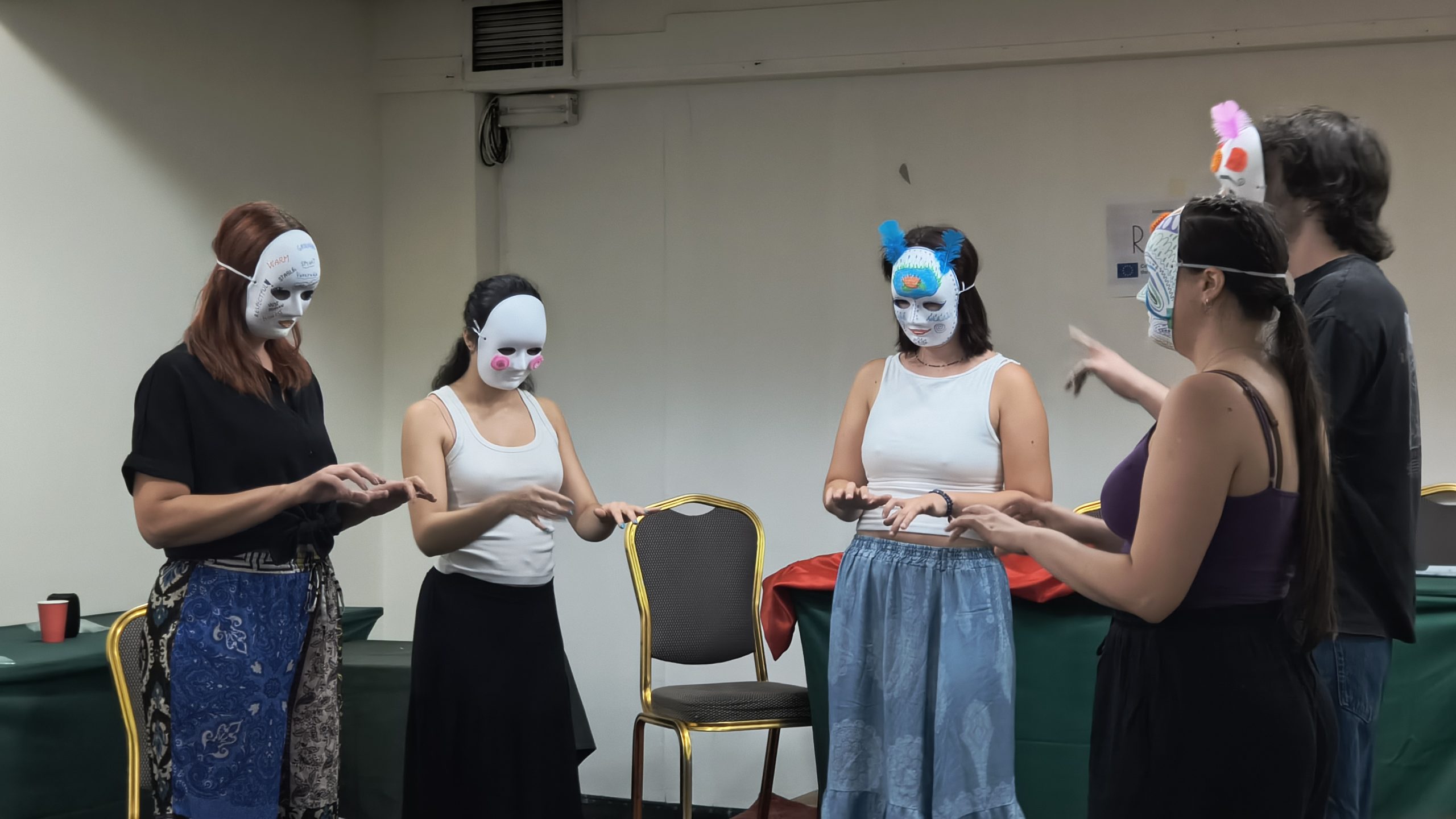
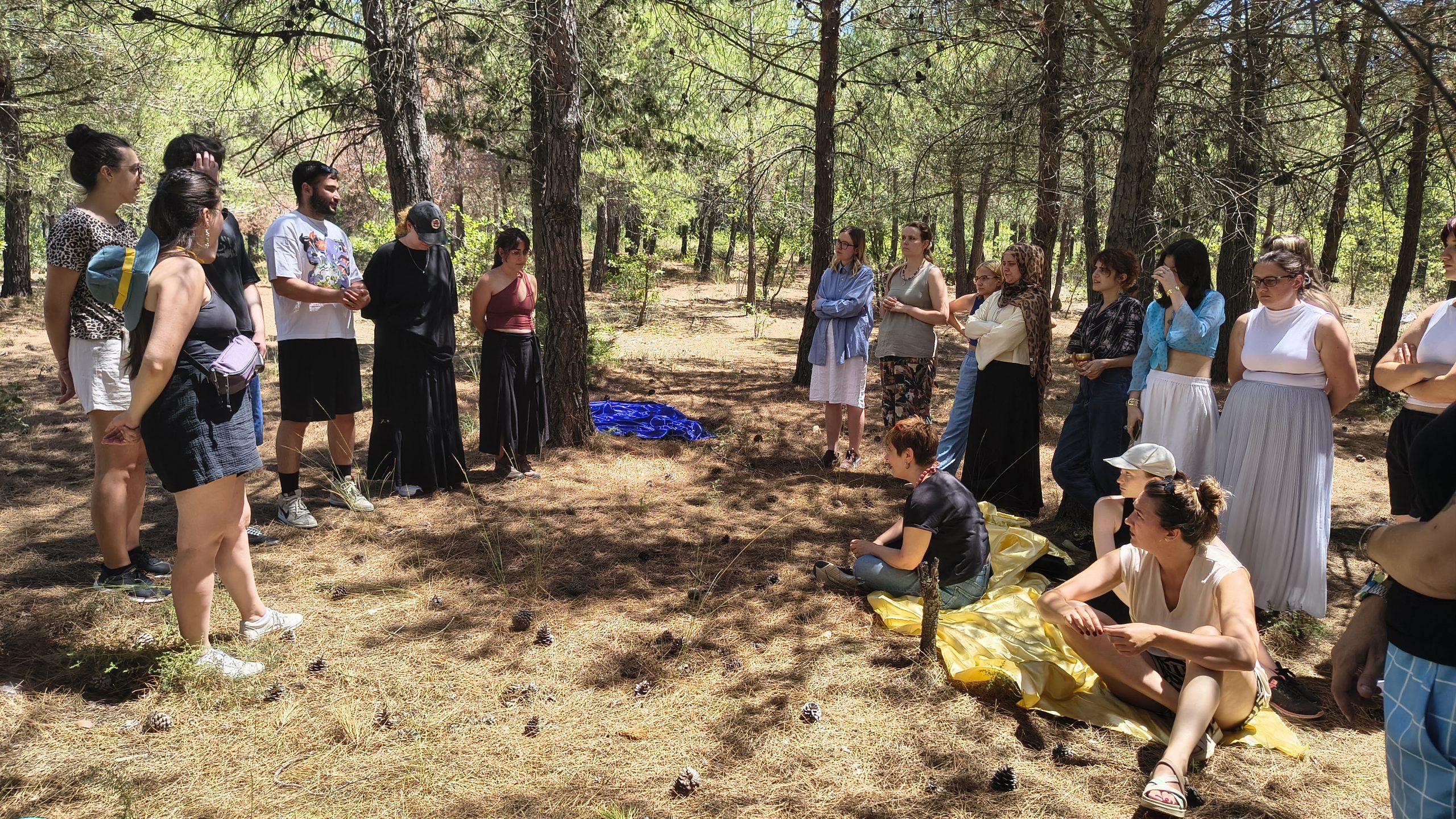
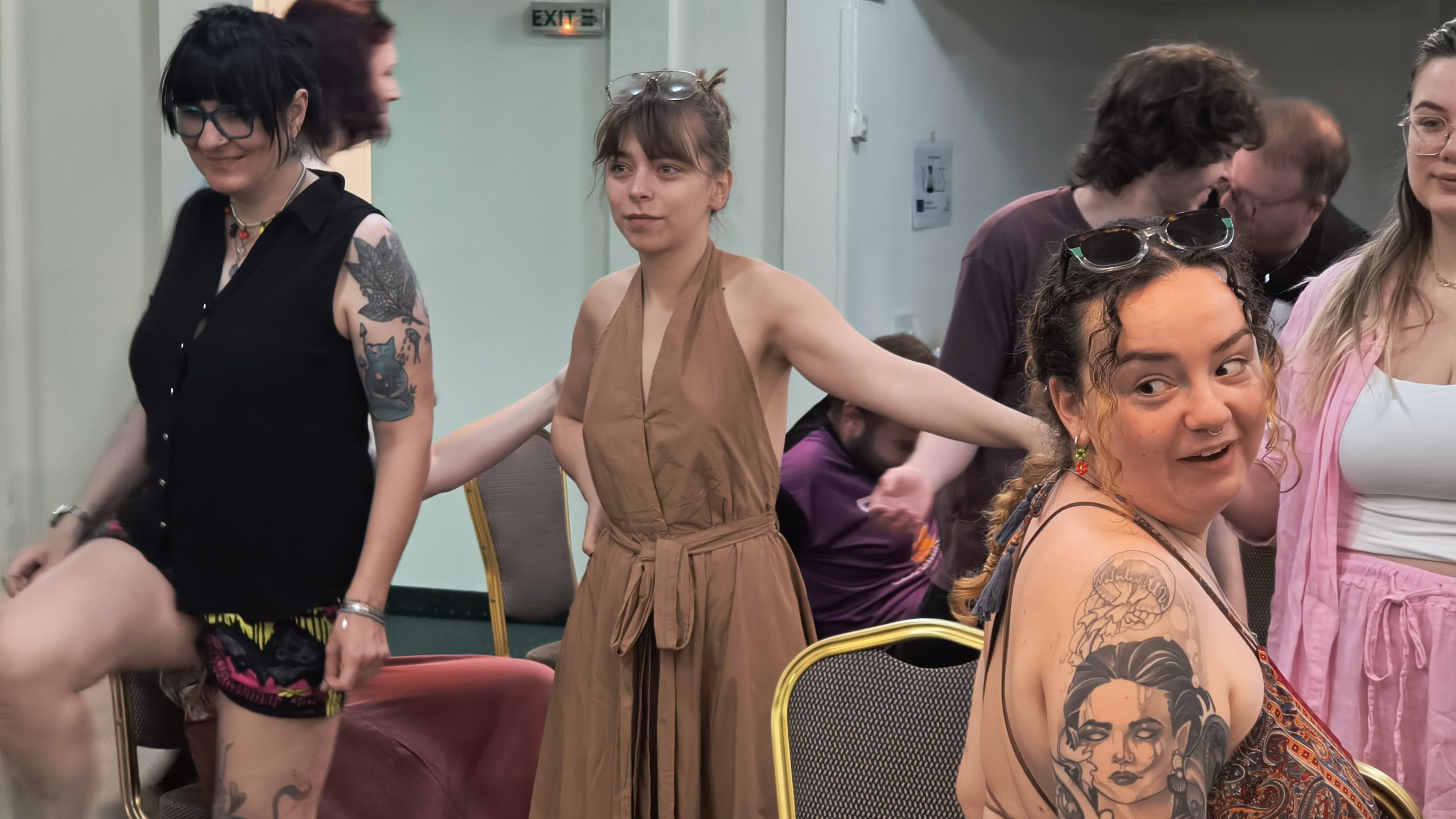
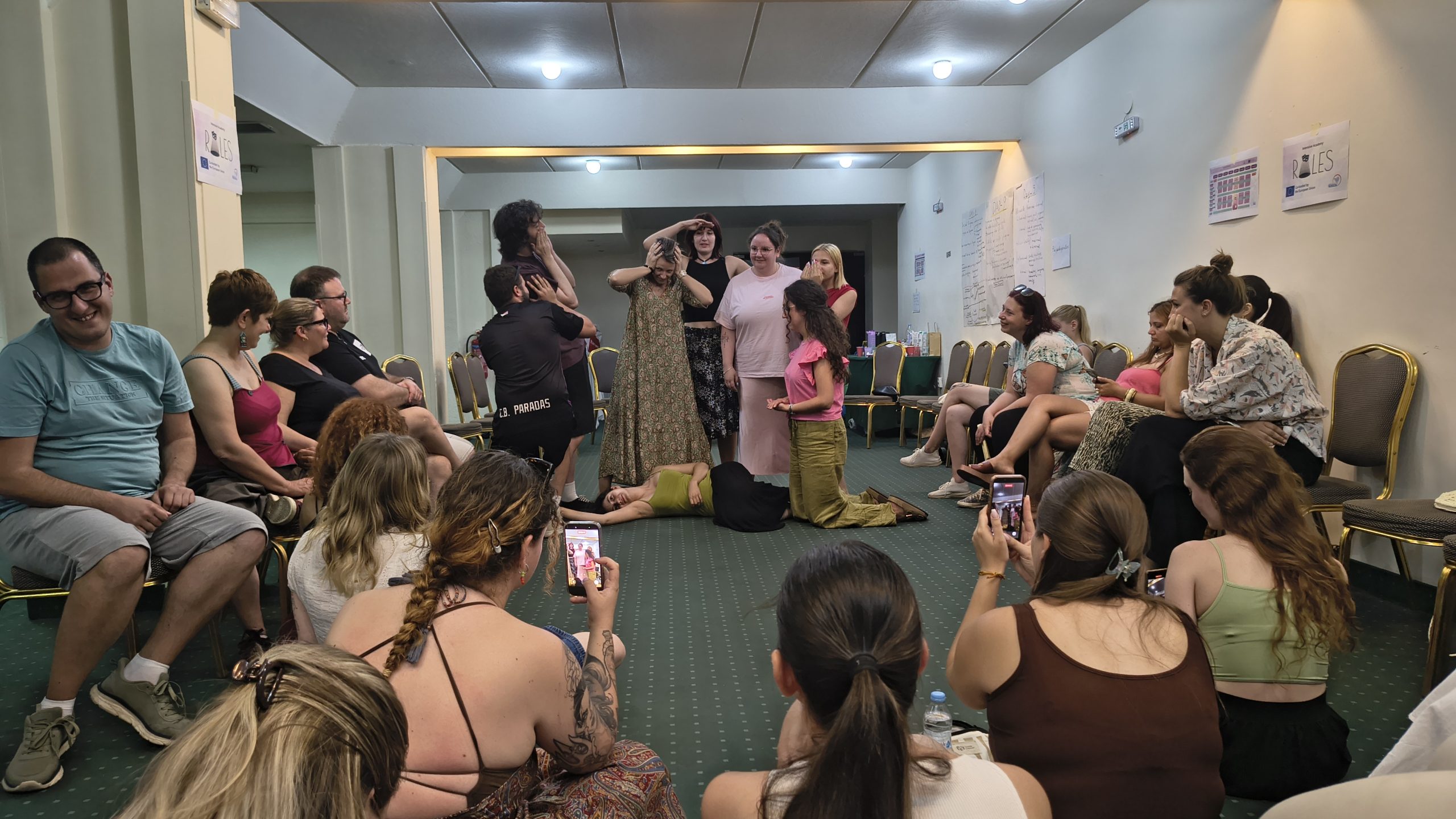
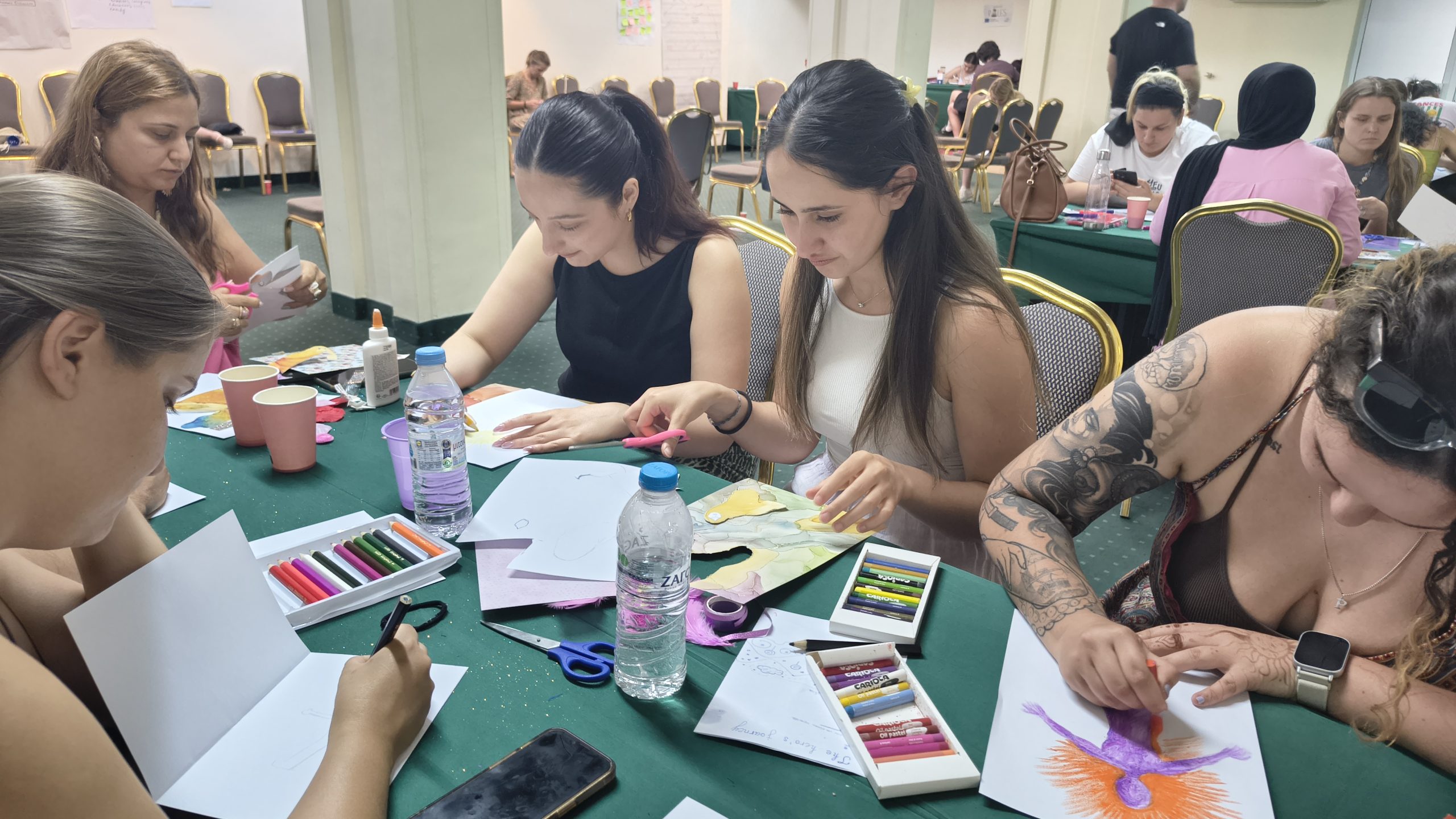
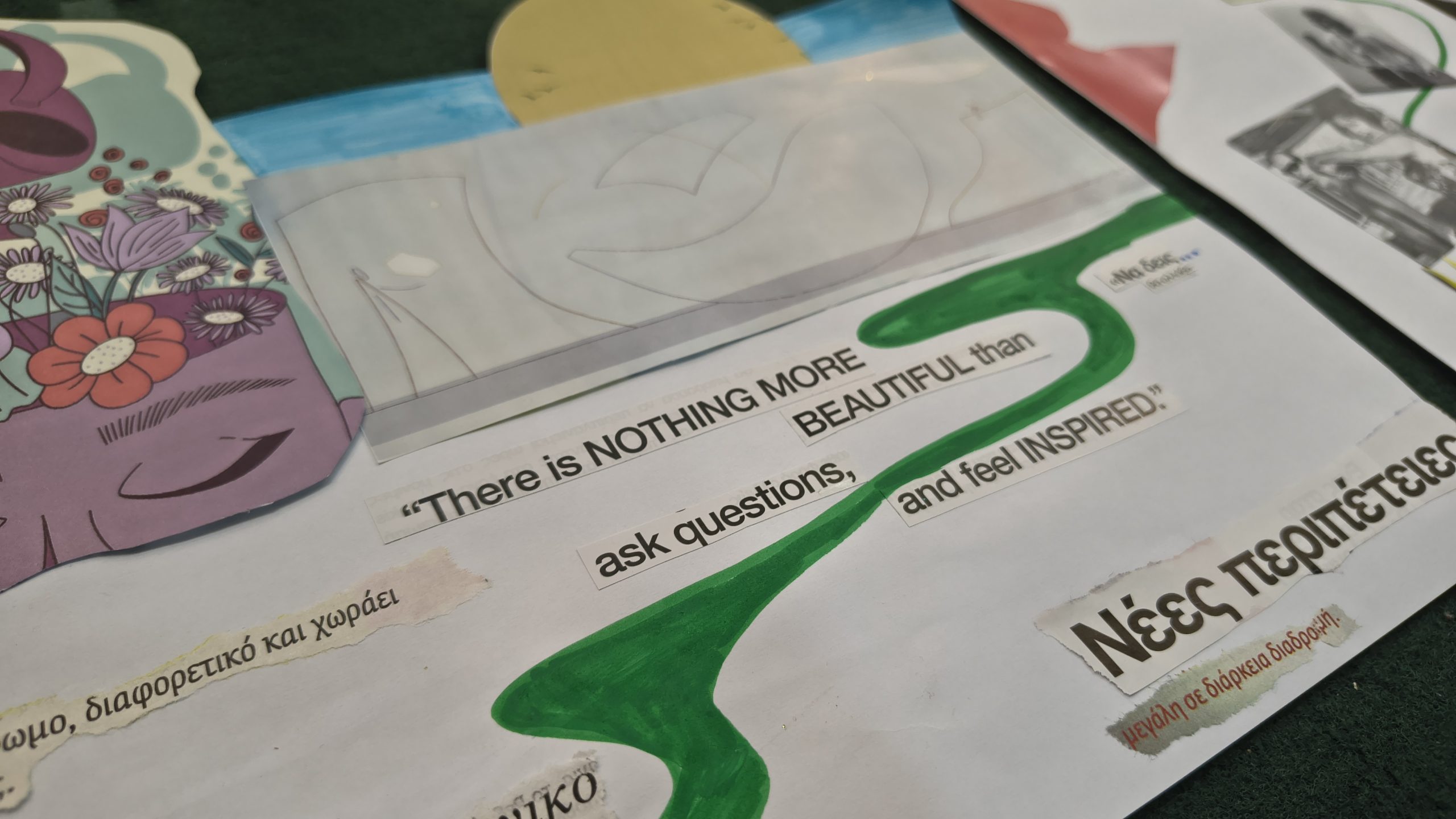
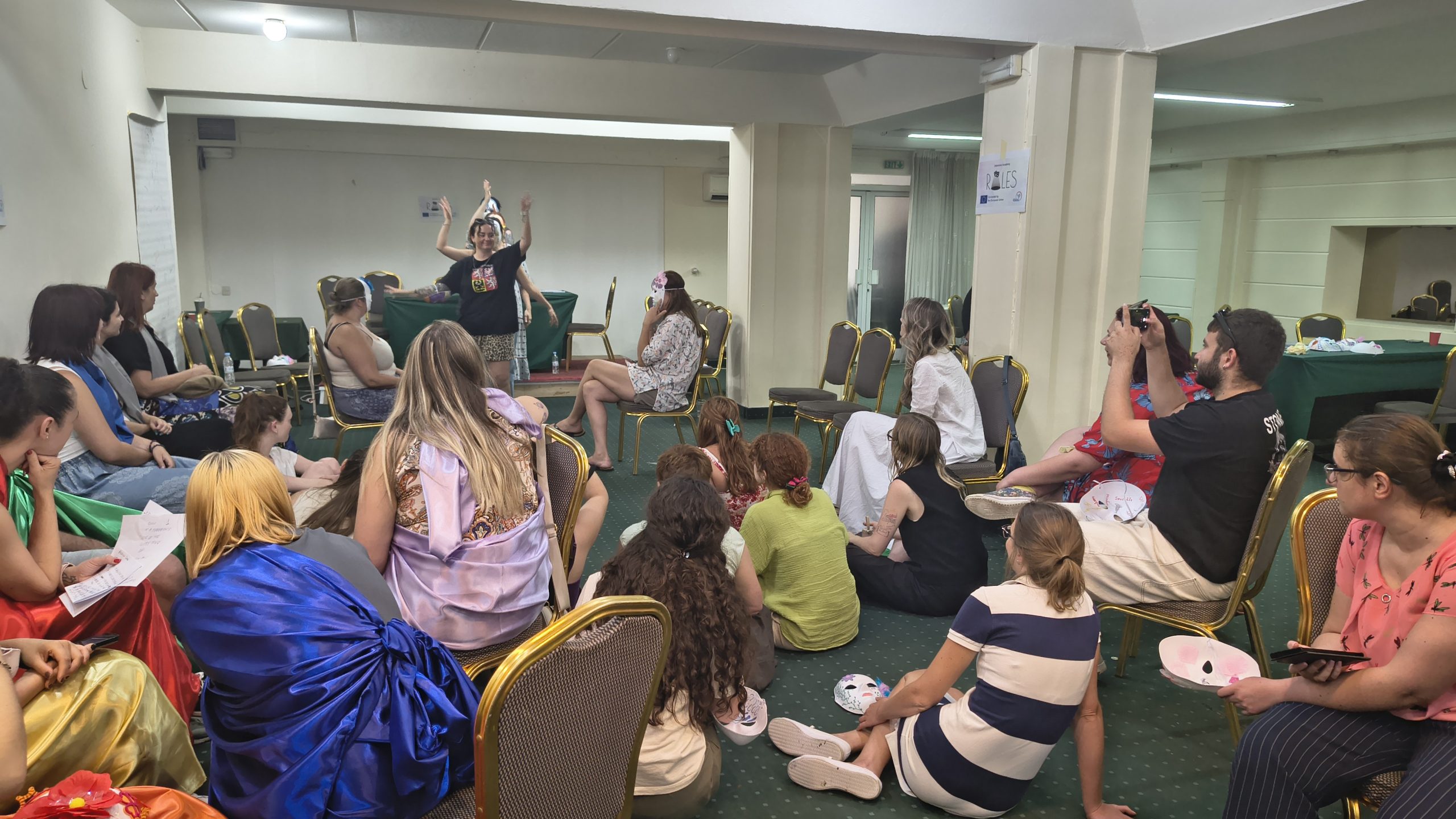
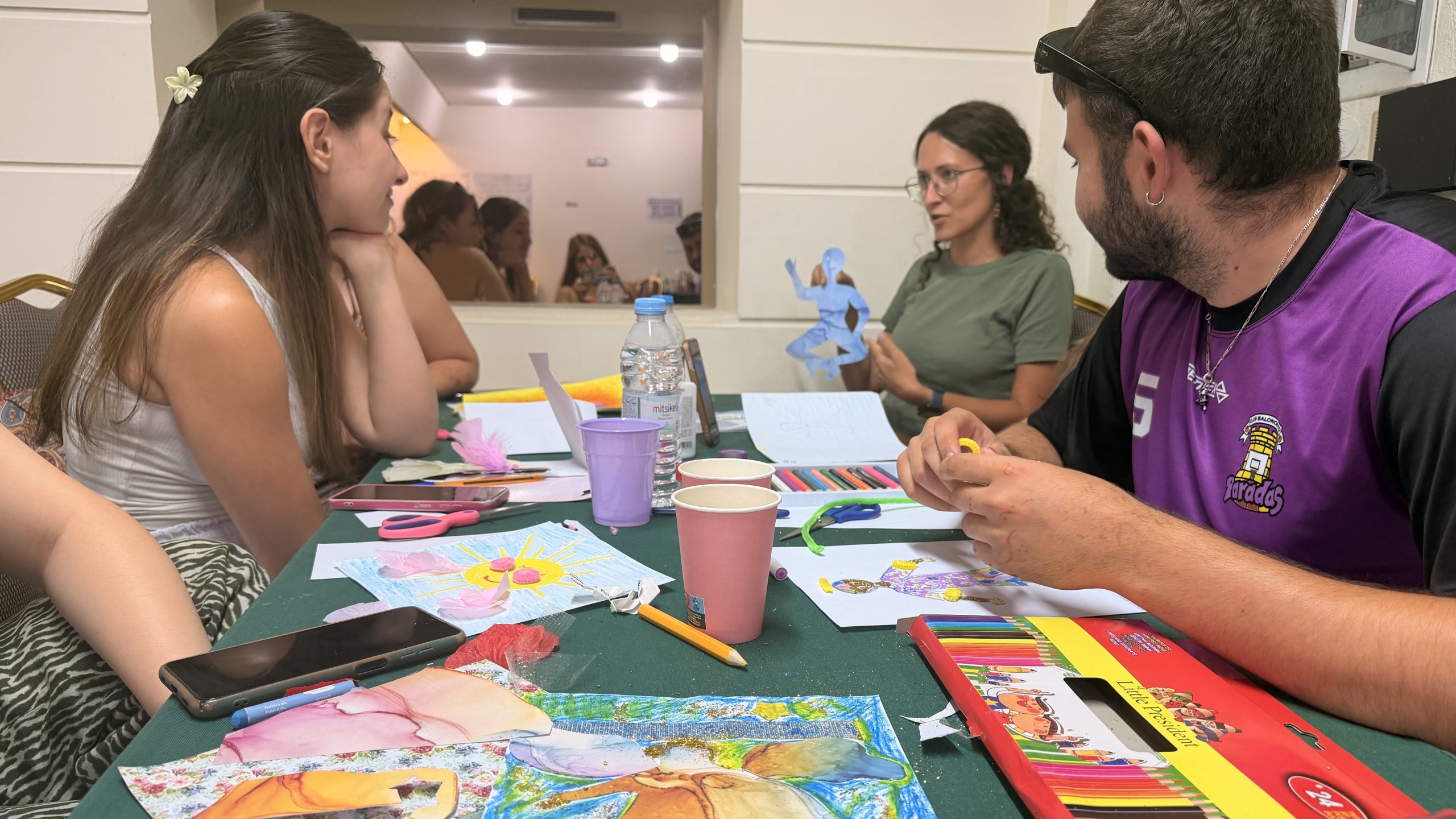
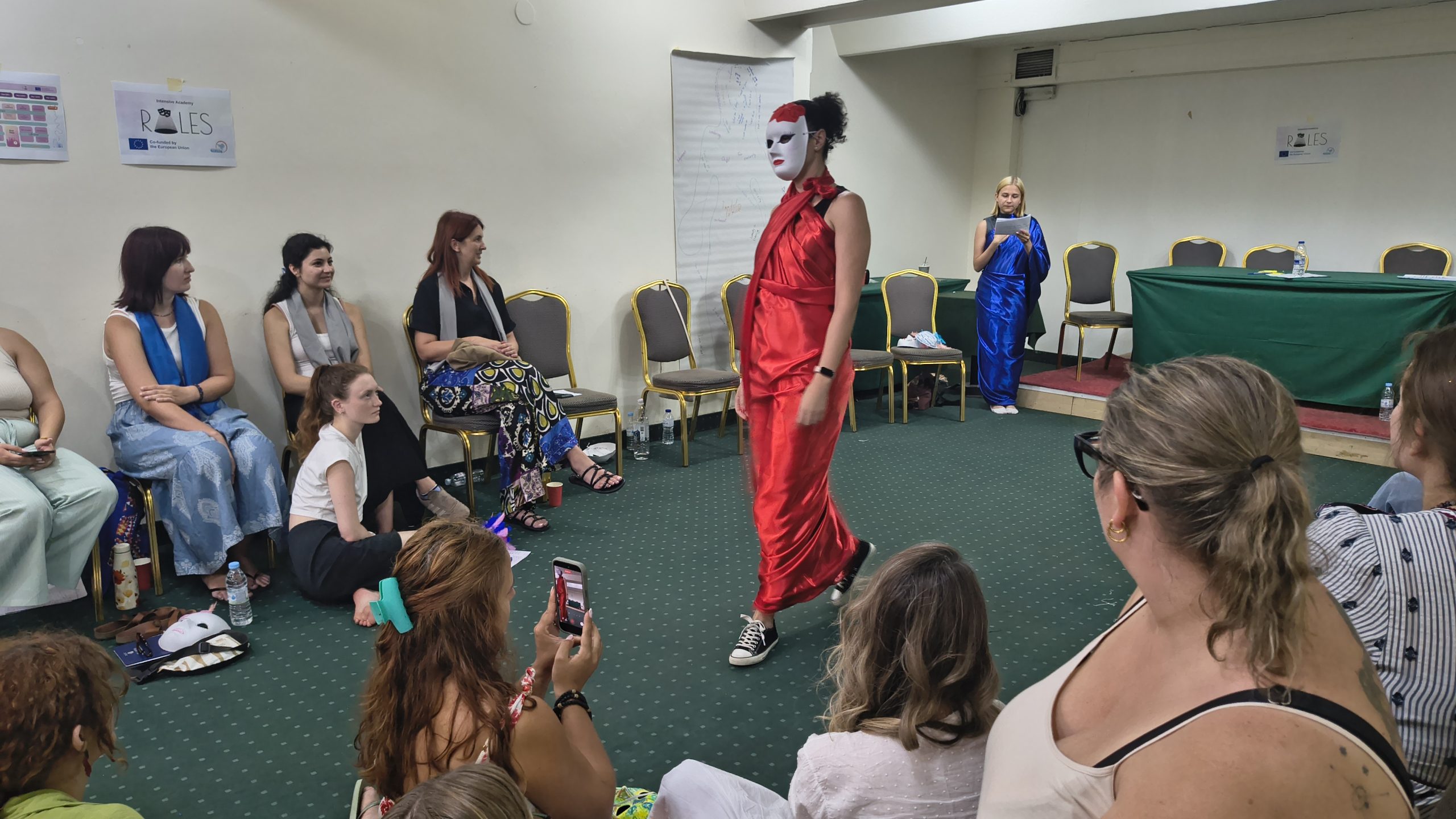
The programme included a broad range of experiential activities, such as theatre techniques, movement and body-expression exercises, creative writing, storytelling, visual arts practices, and collaborative artistic creation. Through these activities, participants examined issues related to self-image, social identity, empathy, resilience, and the ways in which stigma can affect both individuals and their relationships with others.
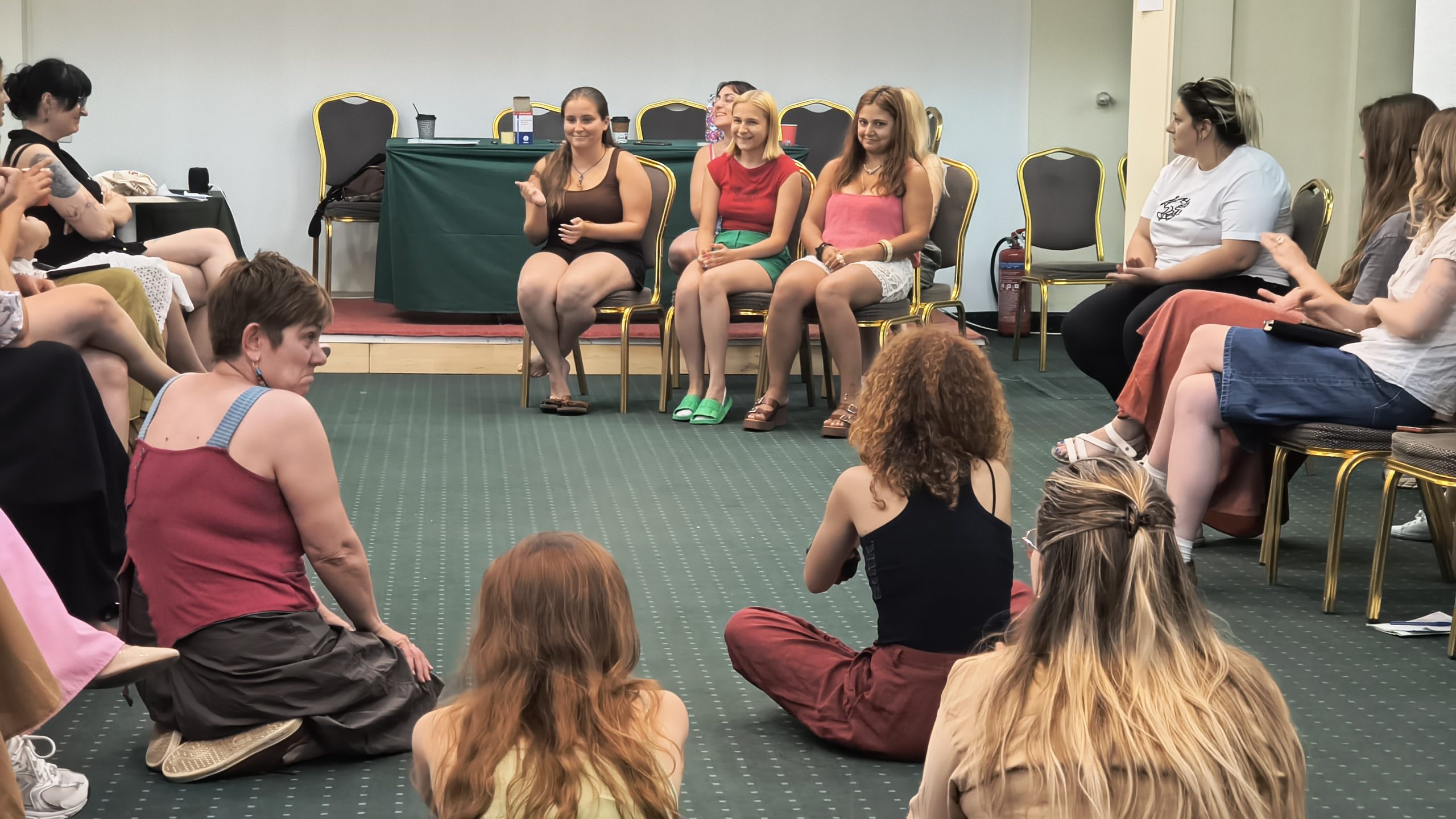
Particular emphasis was placed on experiential learning and reflective practice. Rather than approaching these themes solely at a theoretical level, participants engaged with them through active participation, collaboration, and creative expression. This process highlighted the role of the arts as a meaningful medium for communication and dialogue, capable of fostering empathy, challenging stereotypes, and strengthening social cohesion.
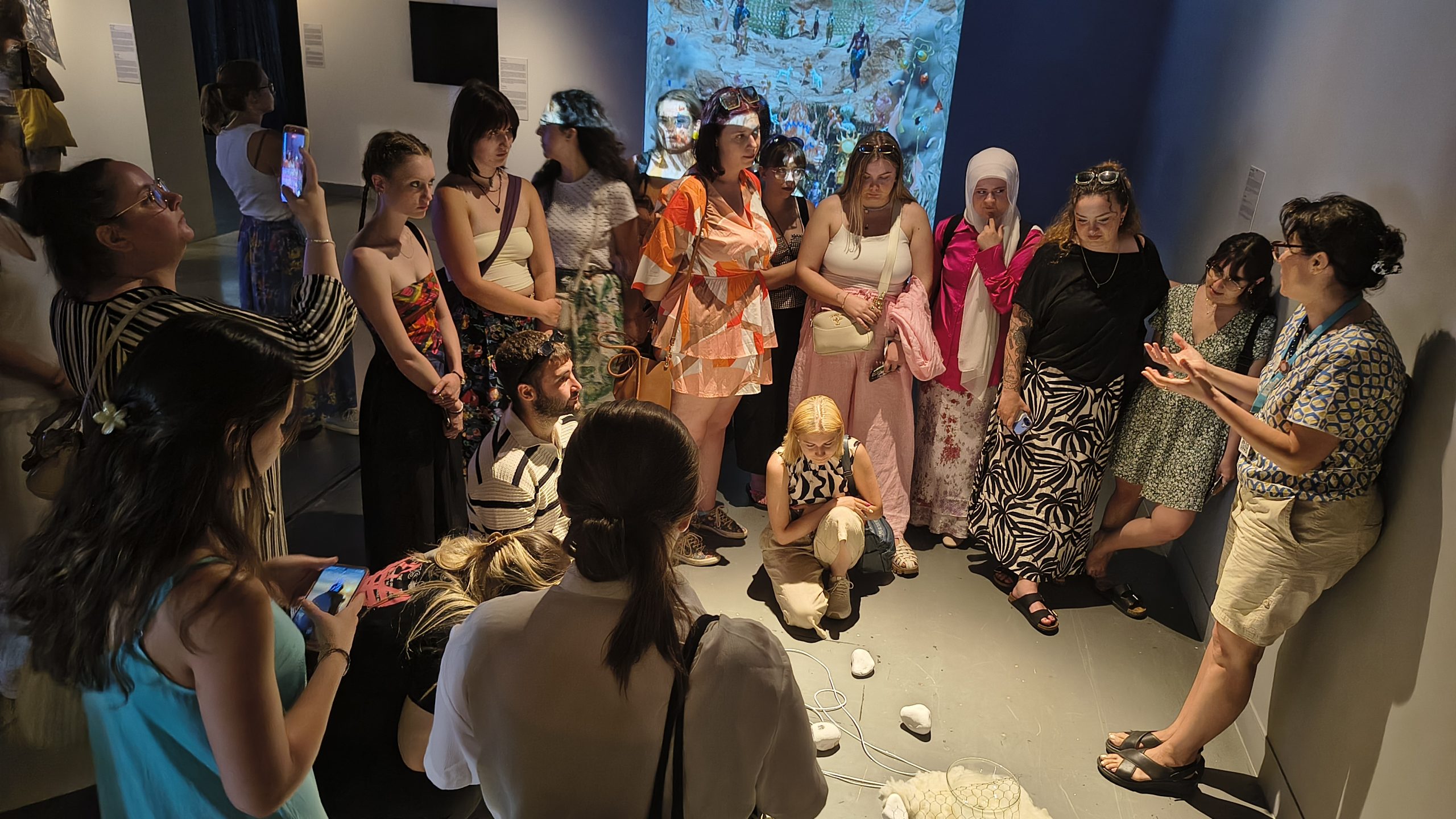
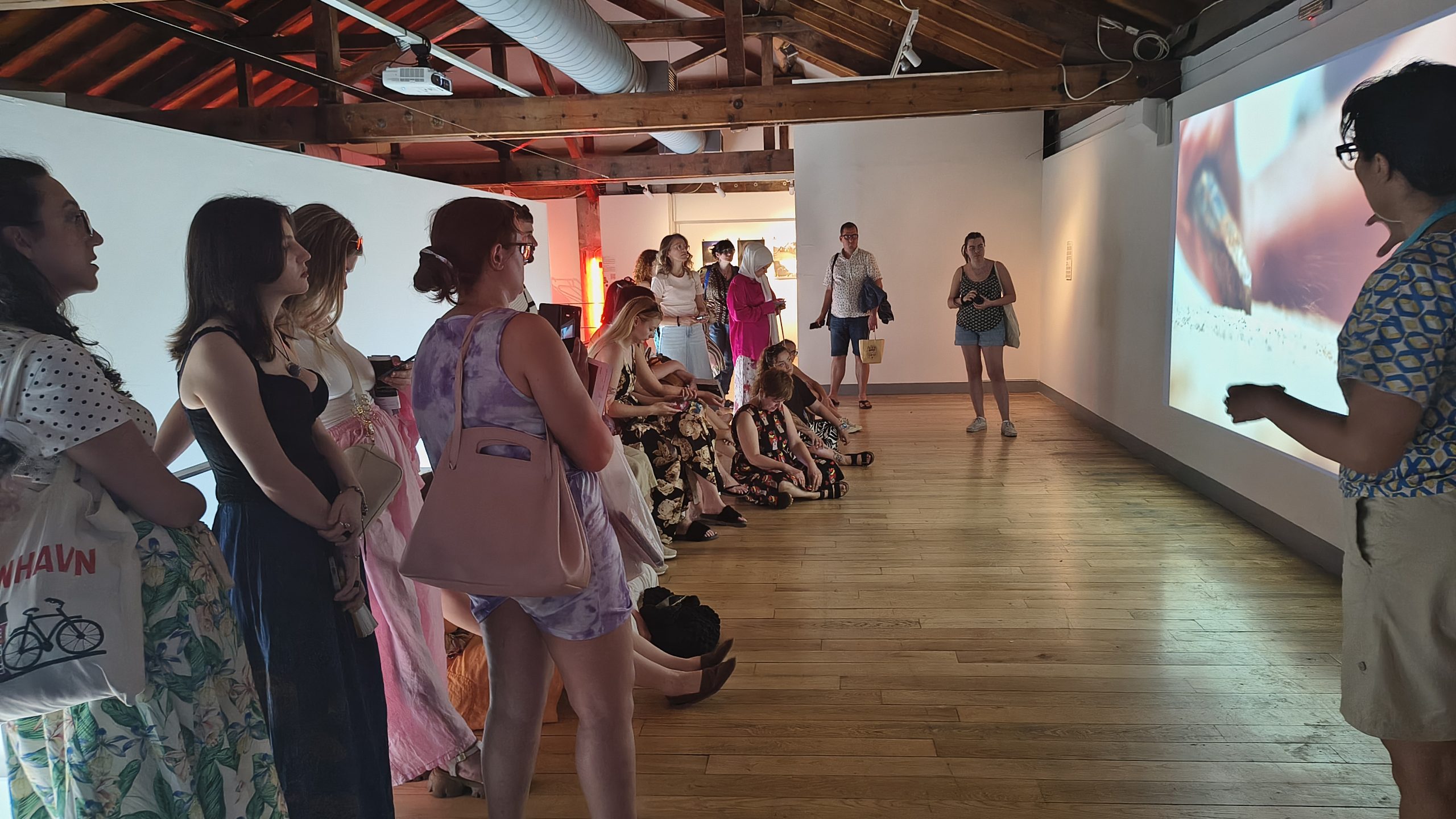
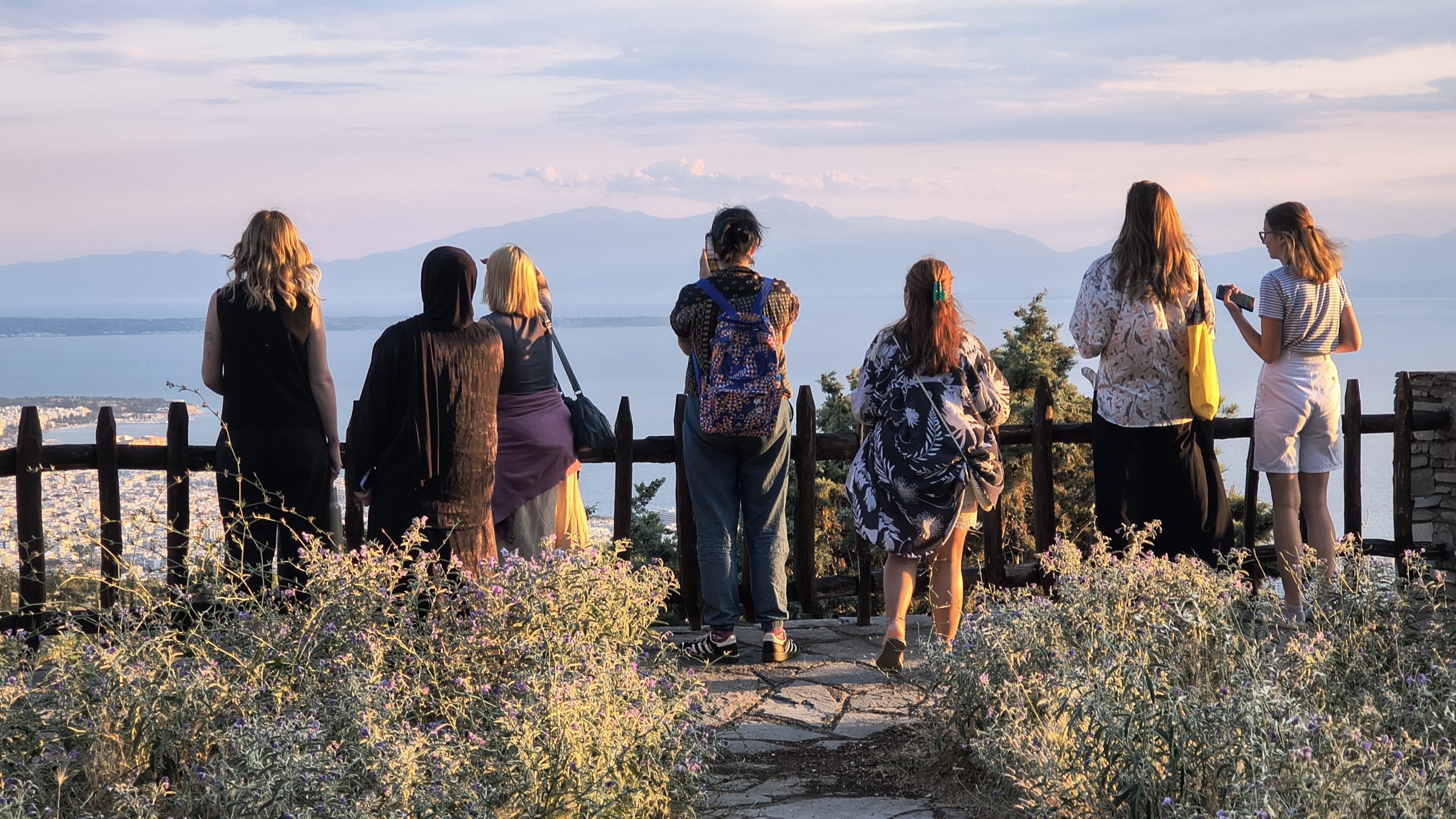
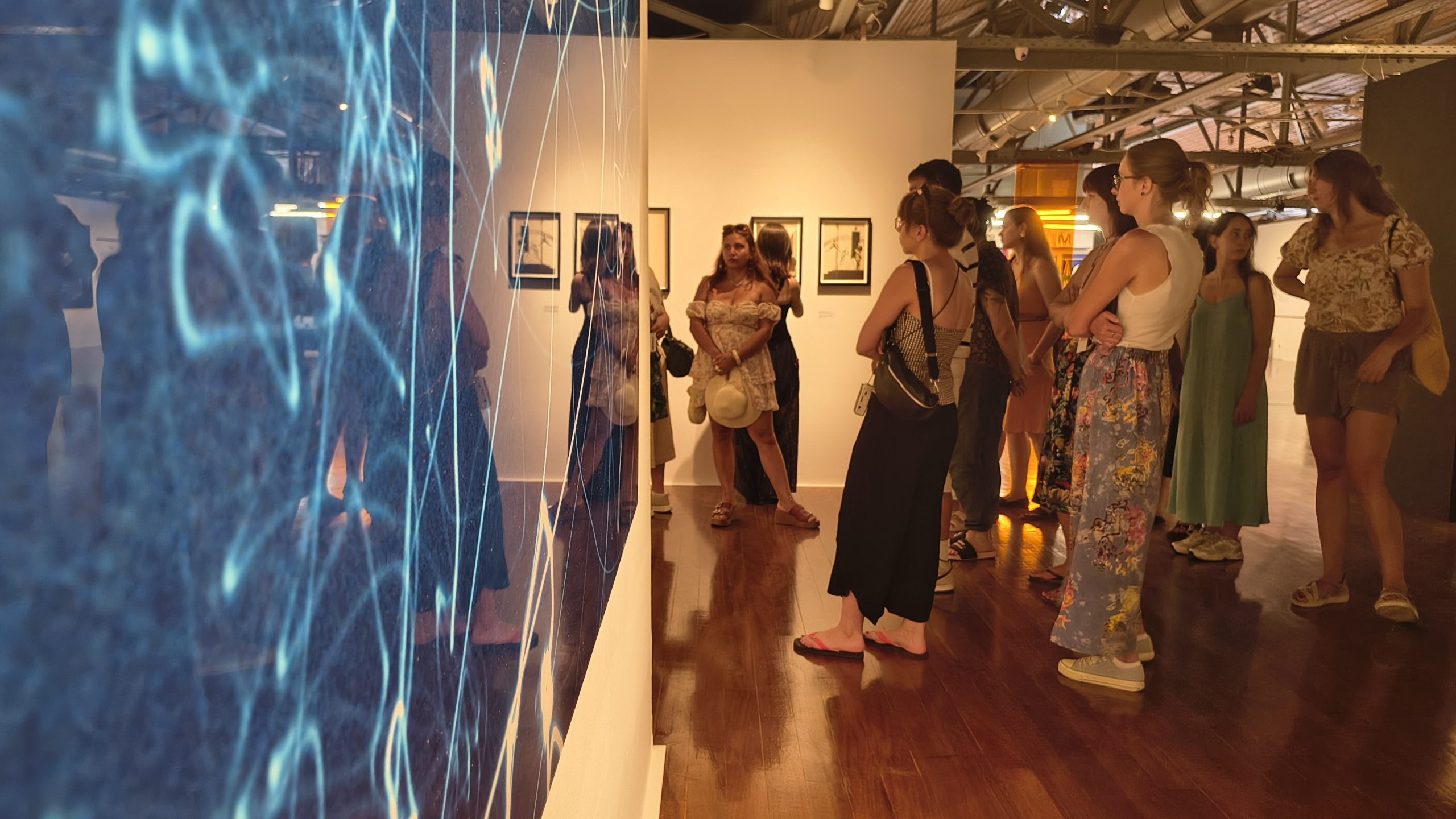
As part of the Academy, participants also visited cultural institutions in Thessaloniki, where they engaged with contemporary artistic works addressing themes of identity, the body, vulnerability, and human experience. These visits enriched the learning process and encouraged further reflection on the multiple dimensions of mental health, while also demonstrating the contribution of culture and the arts to social awareness and public dialogue.
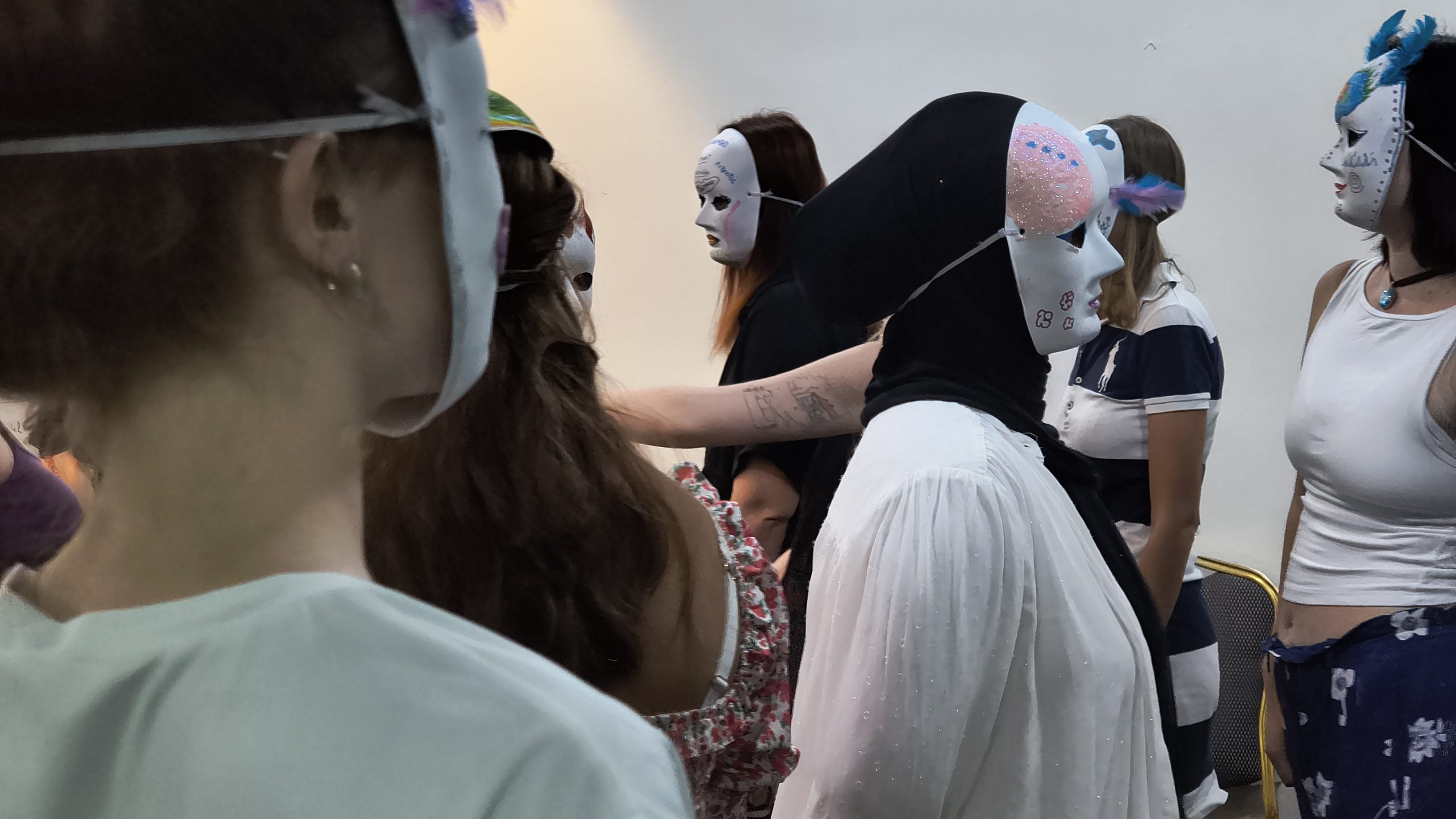
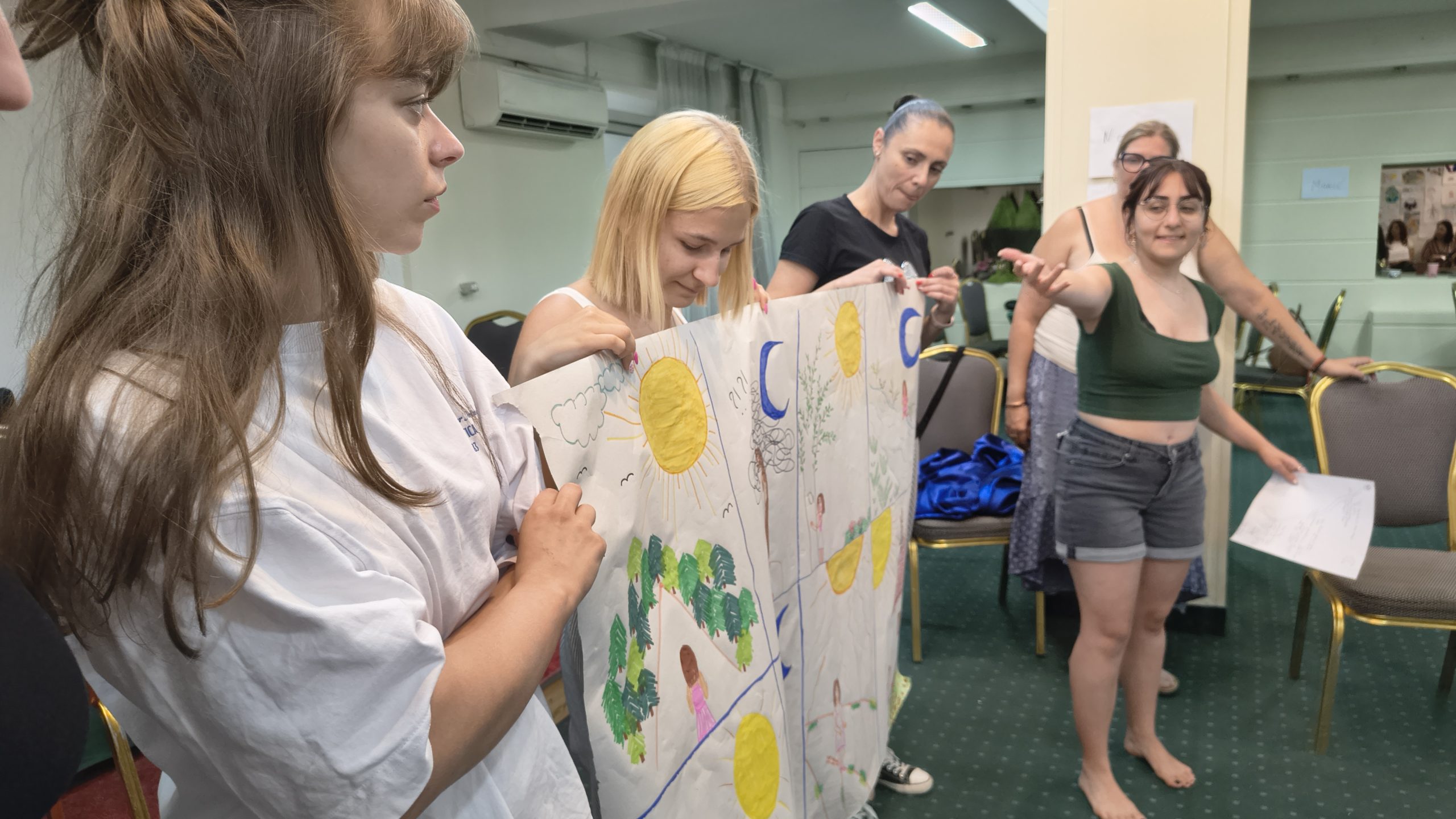
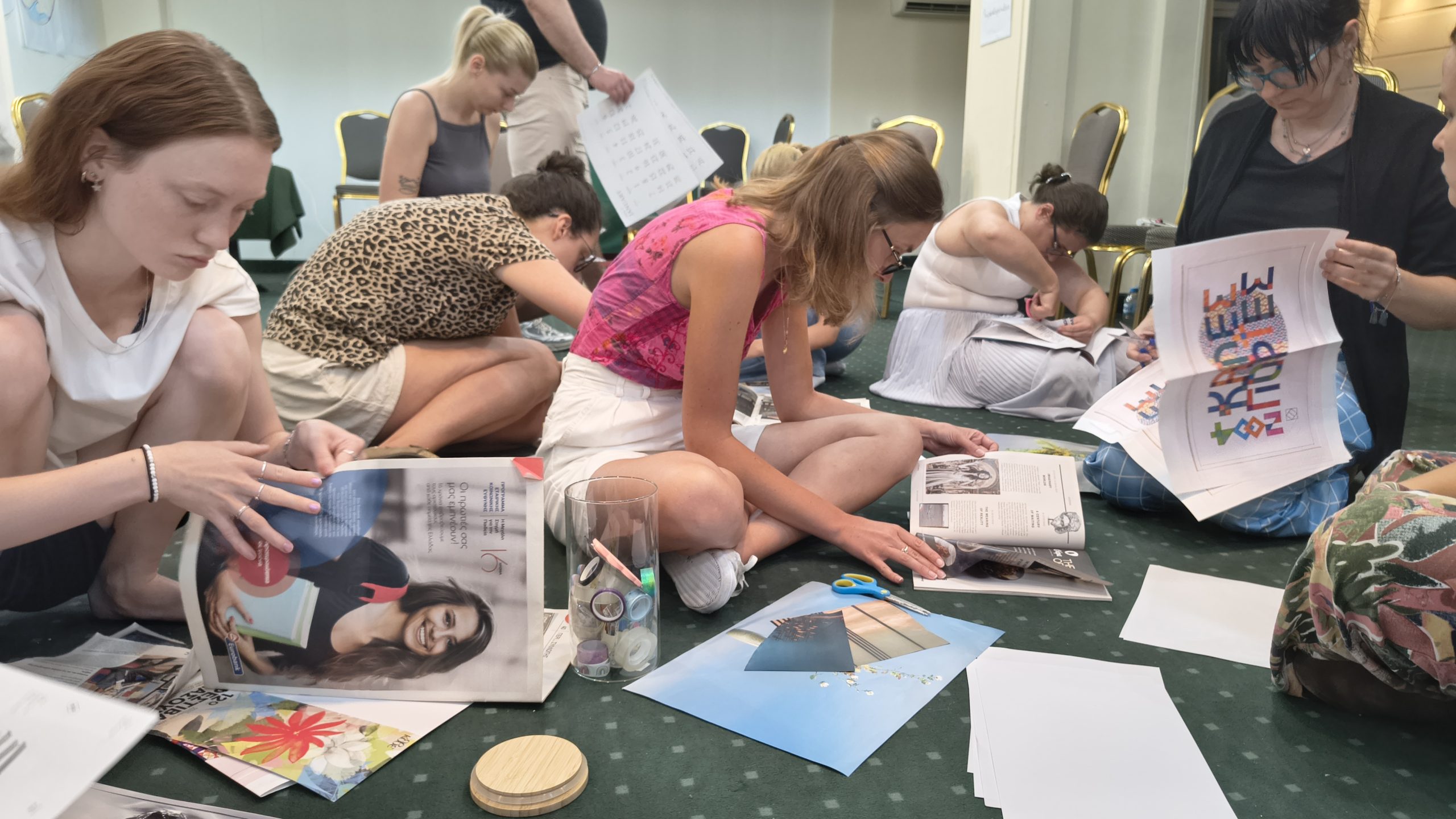
Results: The completion of the Intensive Academy marked the conclusion of an intensive and productive educational process. Participants left Thessaloniki having enhanced their knowledge, practical skills, and methodological approaches, which they are now encouraged to apply within their local communities through the next project activities and beyond. In this way, the Academy contributes to the promotion of mental health, the reduction of social stigma, and the strengthening of inclusive practices for young people.
The ROLES project highlights the importance of integrating the arts and non-formal education into initiatives that seek to promote mental health awareness and social inclusion. By encouraging participation, collaboration, and respect for diversity, the project supports the development of educational practices that foster understanding, acceptance, and equal opportunities for all.
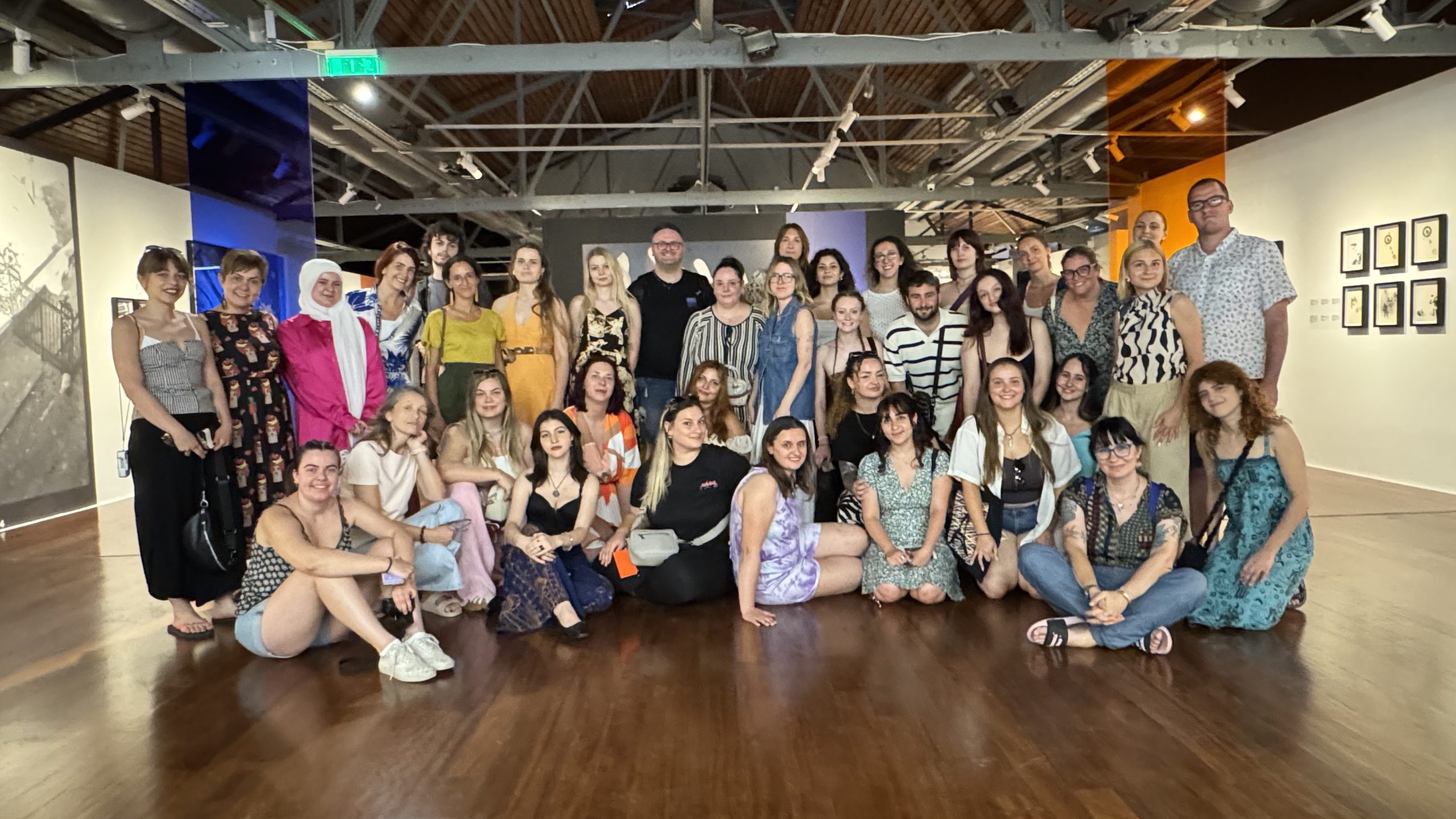
Testimonials from participants:
My Intensive Academy experience was nothing but amazing, serving as a powerful reminder of how art can unbox the things you least expect. It constantly pushed my creative boundaries, revealing hidden perspectives and insights I didn't know I was searching for. Ultimately, it was a truly enriching experience that has left a lasting impact. - Merima Beicirovic
My experience in this Intensive Academy was indeed intense, but in a good way. The programme was dense and structured in a very experiential way, which created a meaningful learning process that helped me internalise and deeply understand the methodologies and Hero's Journey narrative. The trainer's team was great, with deep knowledge on the topic, addressing all my questions and boosting my understanding. Overall, I am leaving with my trainer's luggage full of new tools and ideas, that I am looking forward to use in my own work. - Alexia Anastasiadi
(...) Drama therapy showed me the incredible power of creativity, embodiment, symbolism, and collective storytelling. In a safe and supportive environment, strangers became companions, and our different life stories intertwined with empathy, courage, and respect. I experienced how theatre and art can become a bridge between emotions and awareness, allowing us to express what words alone often cannot. (...) - Sandra Faria
This project was a meaningful experience that helped me grow both personally and professionally. Through drama therapy and art therapy, I rediscovered creative activities I loved as a child but had forgotten over time. It reminded me how powerful creativity can be for expressing emotions and supporting mental well-being. This project also helped me gain more confidence, become more flexible and step outside my comfort zone. Although this was the second part of the project and most of the participants were the same as in Poland, it felt like we met each other again in a completely different way. We were more connected, more open and more willing to trust the process, which created an even stronger sense of teamwork. This experience reminded me that growth often begins outside our comfort zone, but always at our own pace and within our own limits. - Érica Brito