
The Youth Exchange "Unlocking Minds – Breaking the Mental-Health Stigma Through Art" (YE1) took place in Sarajevo, Bosnia & Herzegovina from 04-10 October 2026, bringing together 34 young participants aged 16–30 and 3 youth work facilitators from 7 partner countries: Albania, Bosnia & Herzegovina, Czech Republic, Greece, Montenegro, Poland, and Portugal.
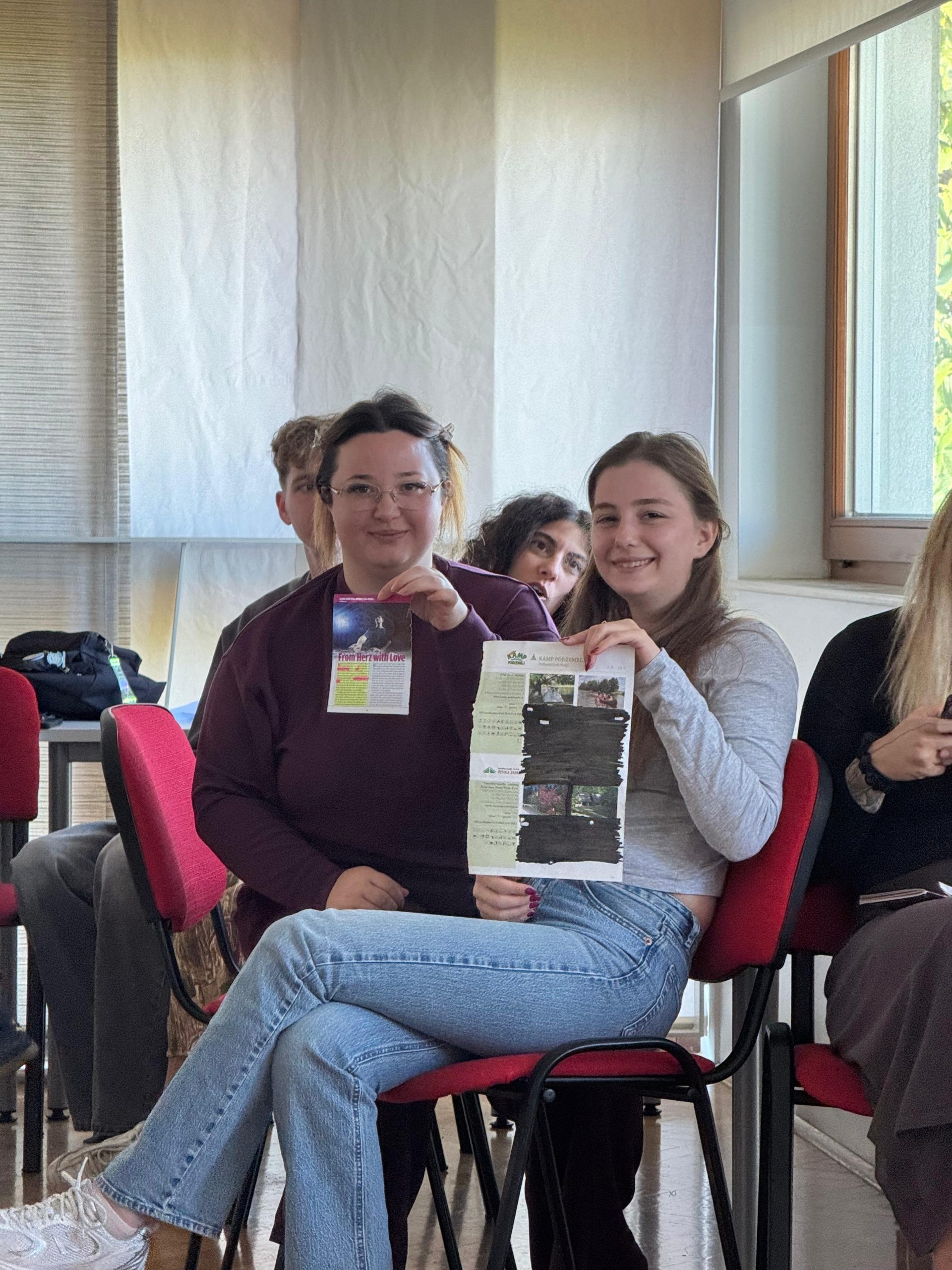
Organised by LDA Mostar under the EU-funded project ROLES – Art-Driven Capacity Building for Mental Health De-stigmatization, the activity aimed to create a safe, inclusive, and creative environment where youth could explore emotional well-being, challenge societal stereotypes, and examine how mental health stigma is reproduced across different cultural contexts. Led by trainers trained during the project's capacity-building phase, the exchange equipped participants with practical, non-formal, and arts-based methodologies, including Image Theatre, blackout poetry, visual storytelling, photography, and educational LARP in order to foster empathy and act as catalysts for social change in their home communities.
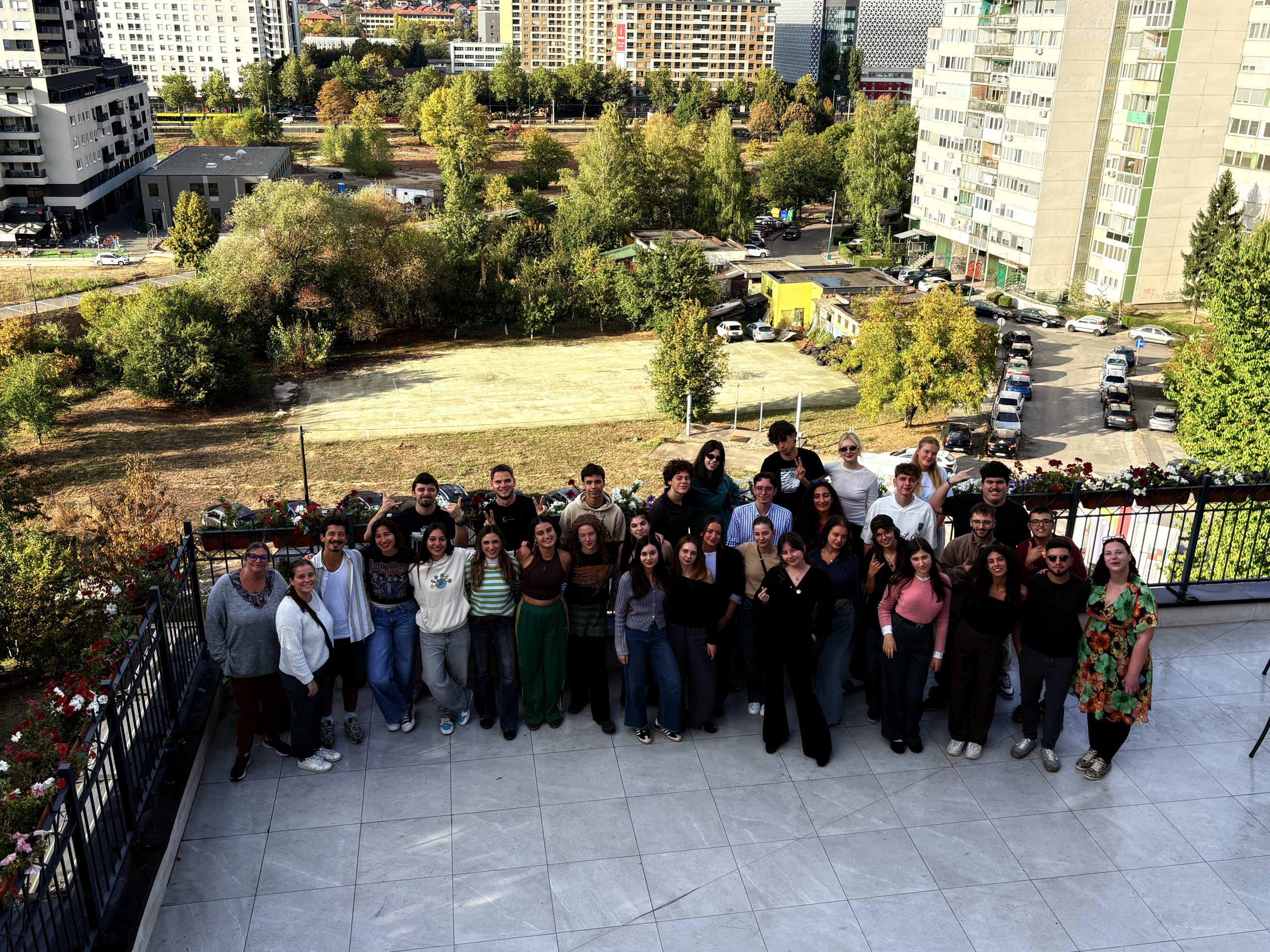
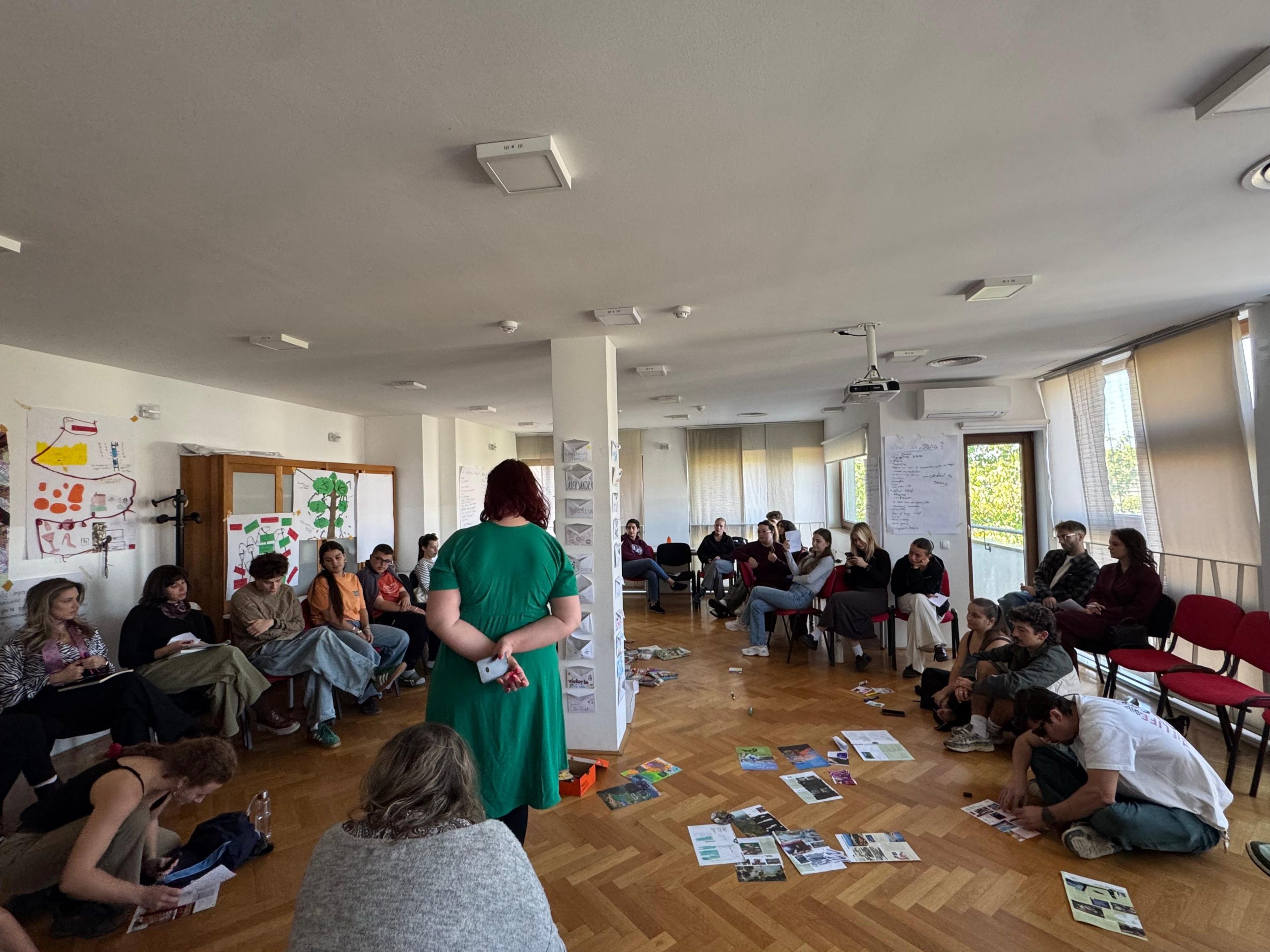
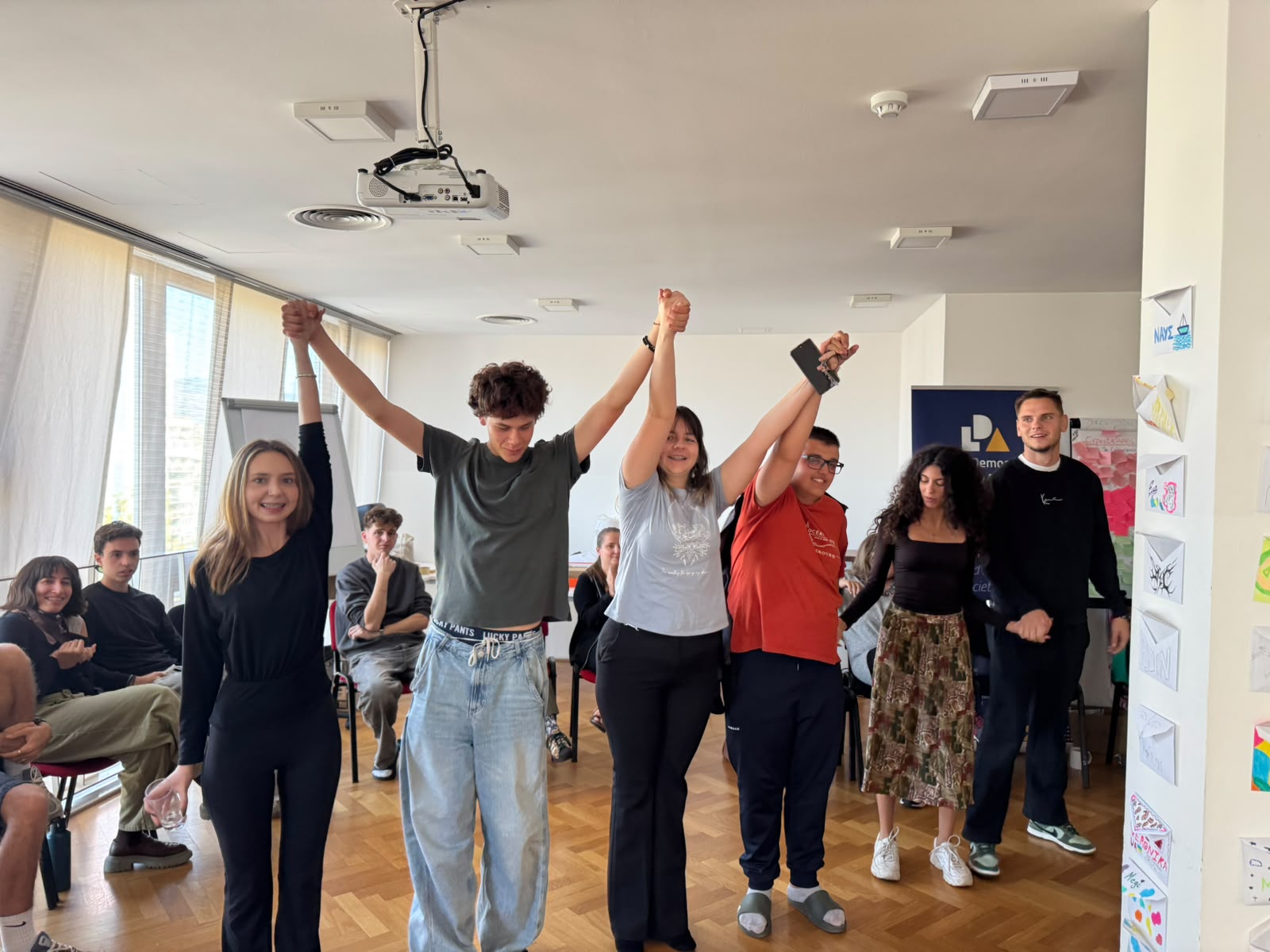
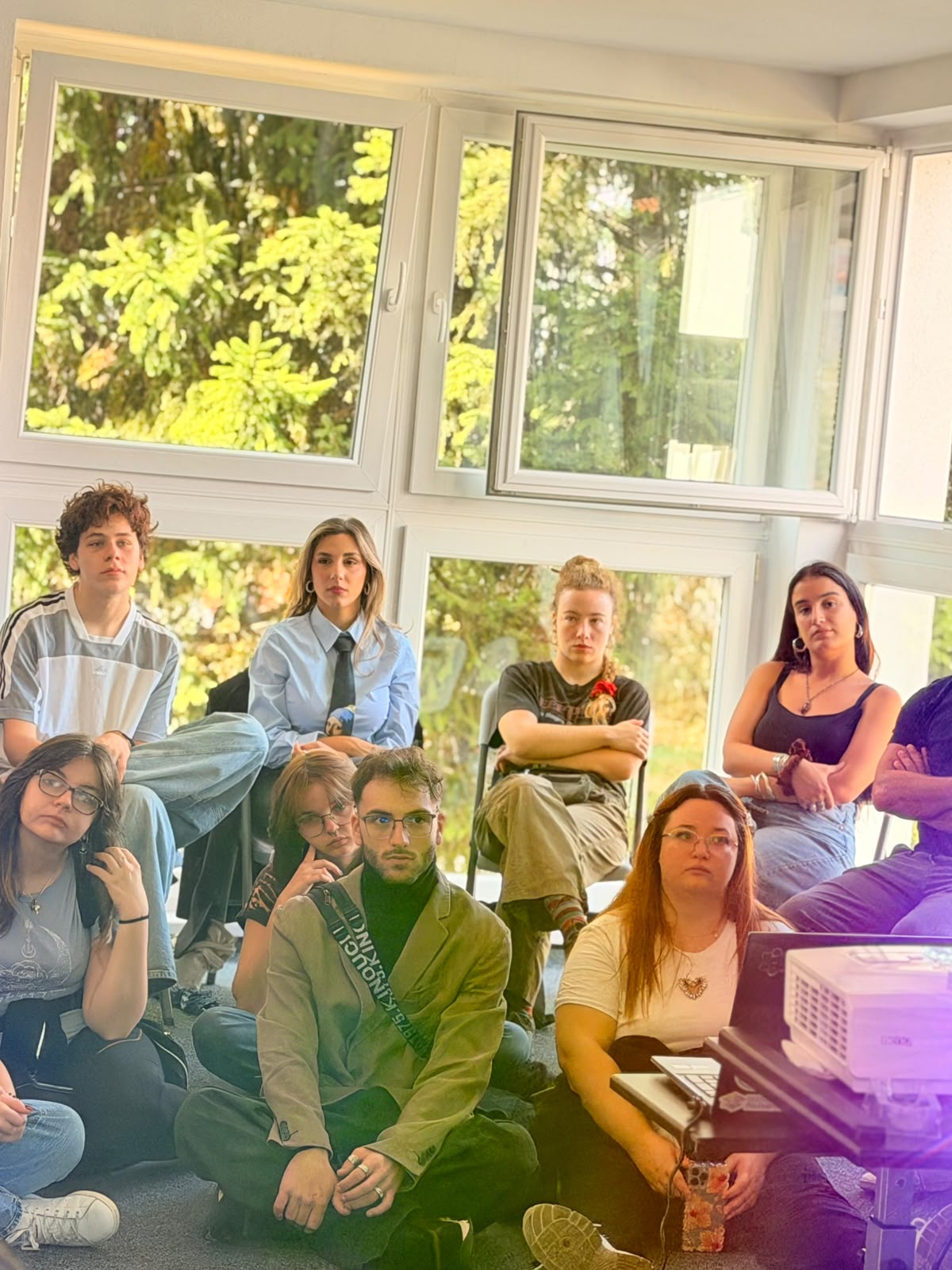
Results: The Youth Exchange YE1, "Unlocking Minds - Breaking the Mental-Health Stigma Through Art," concluded as a resounding success, achieving an outstanding 97.1% overall satisfaction rating from its 34 young participants. Over five intensive days, the project combined non-formal education with creative art-based methodologies to help youth explore sensitive social issues, challenge harmful stereotypes, and step forward as active peer advocates for mental health.
Through hands-on workshops, participants developed a diverse range of practical skills and personal insights:
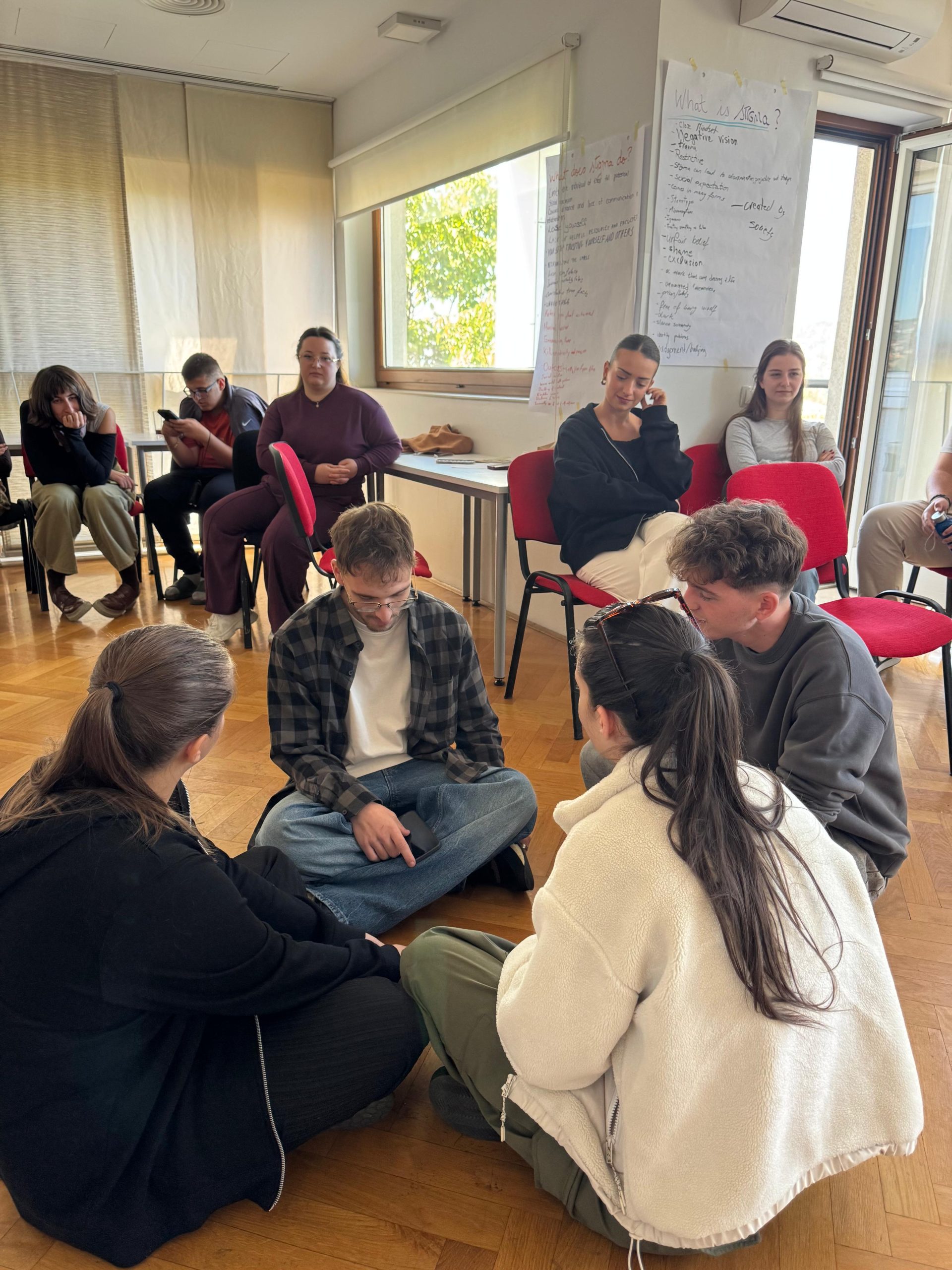
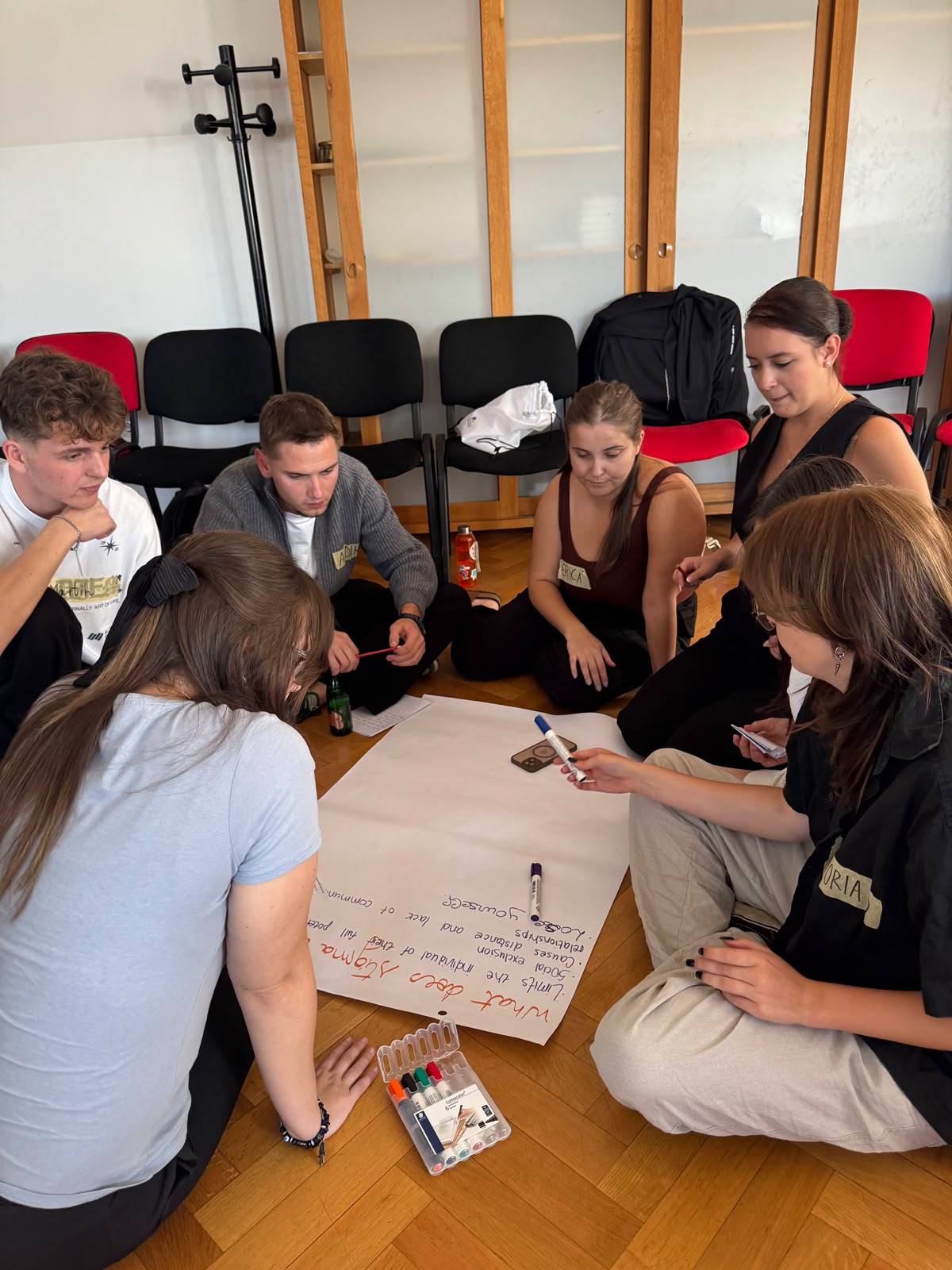
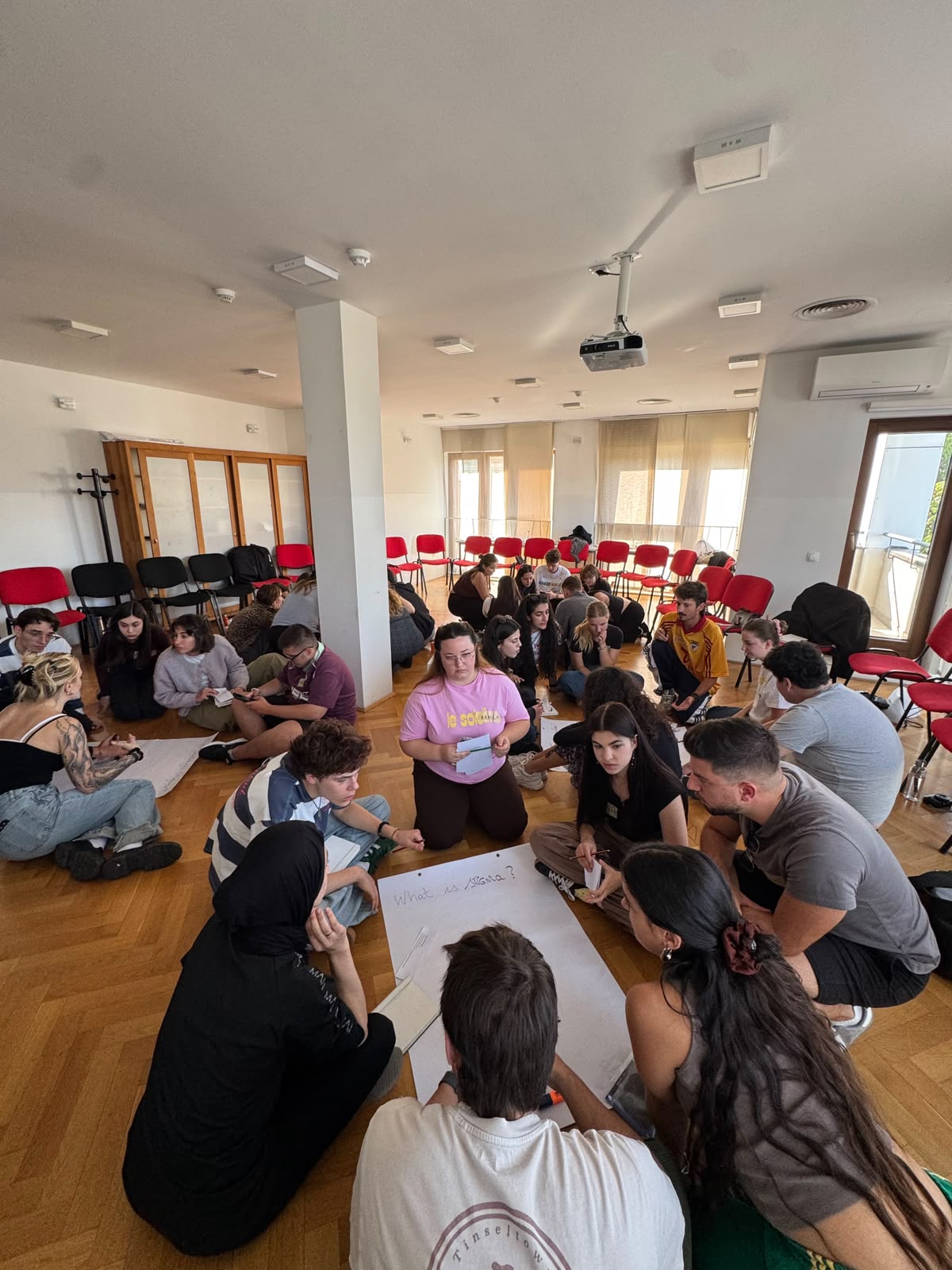
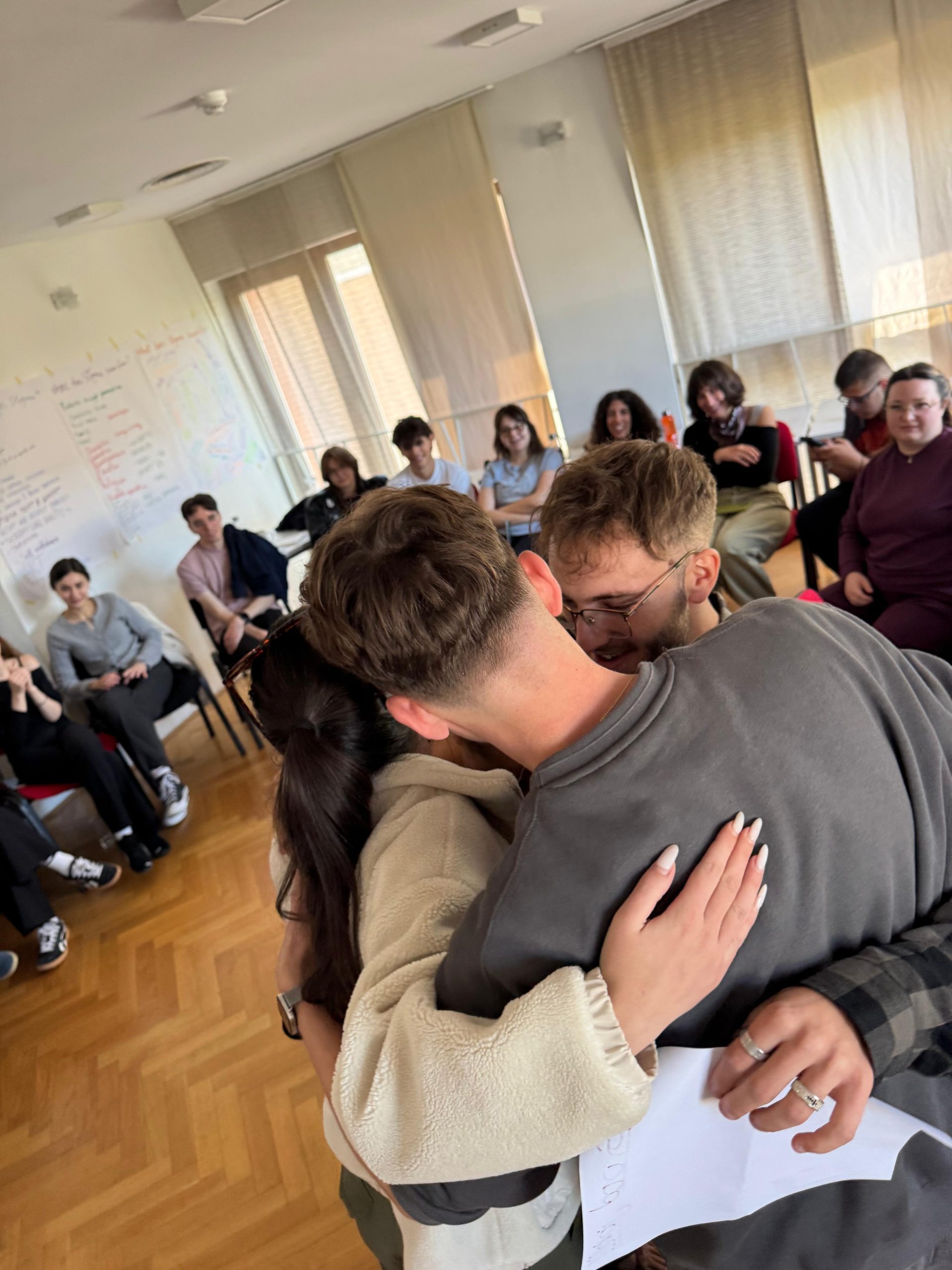
1. Participants learned to use low-threshold, non-verbal tools, such as Augusto Boal’s Image Theatre, blackout poetry, visual storytelling, conceptual photography, and educational LARP to open conversations around emotional well-being.
2. Youth built the skills to critically evaluate media representations, everyday language, and social stereotypes. By learning to distinguish observation from assumption, they gained the ability to create strong visual and narrative counter-messages against stigma.
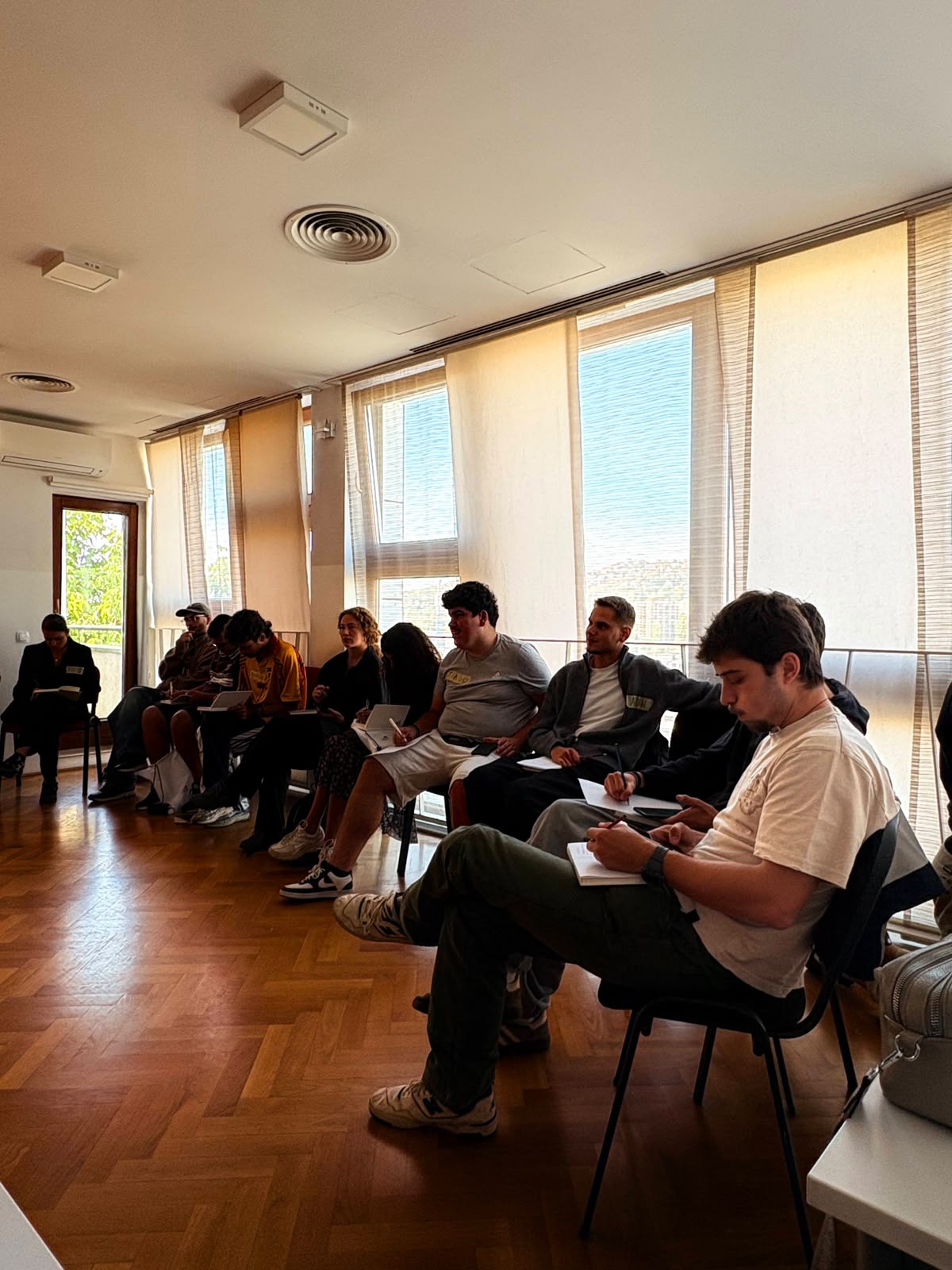
3. Engaging in small, diverse story circles and theatre exercises helped participants strengthen their self-awareness, emotional expression, and ability to practice non-judgmental active listening.
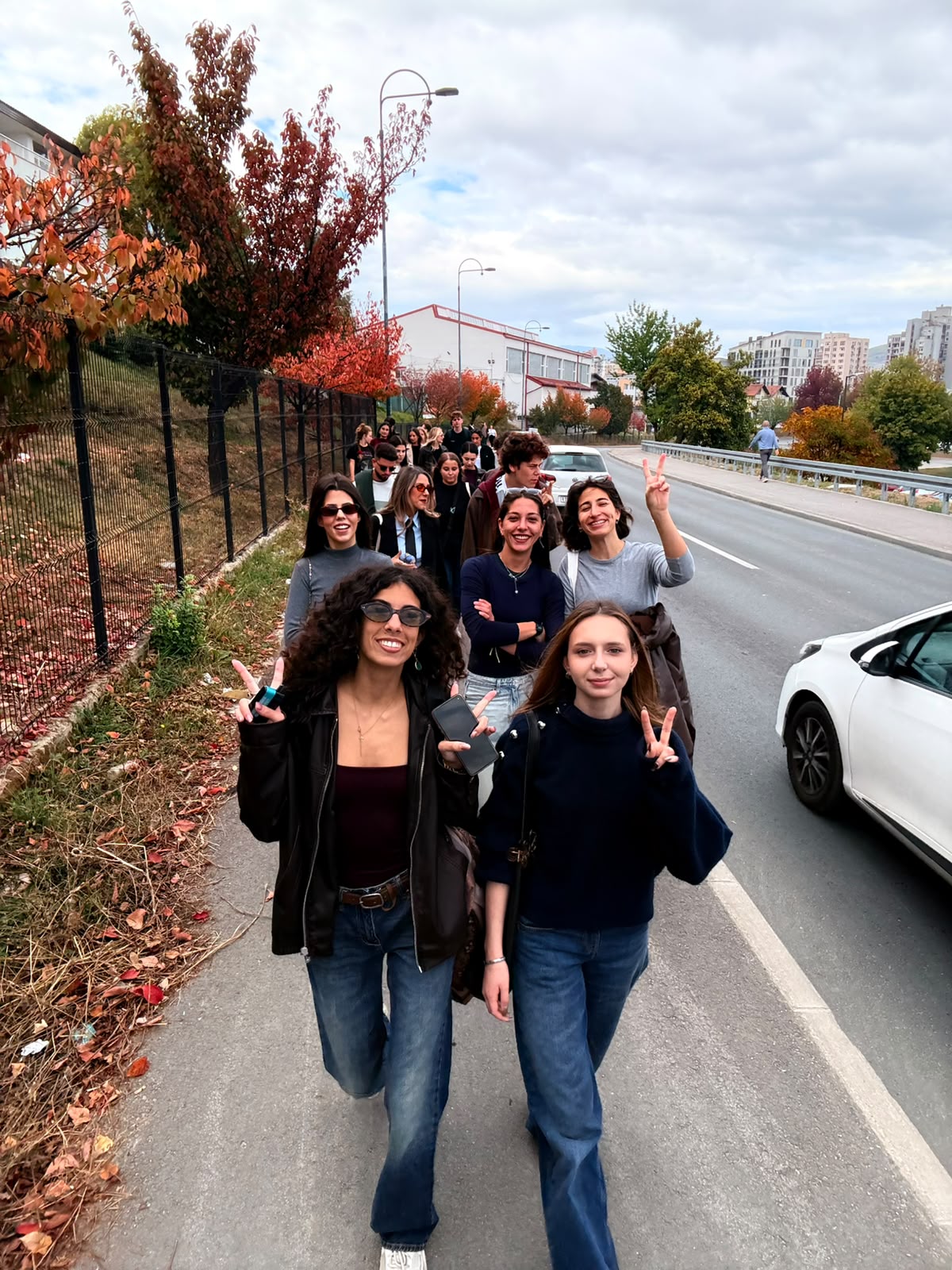
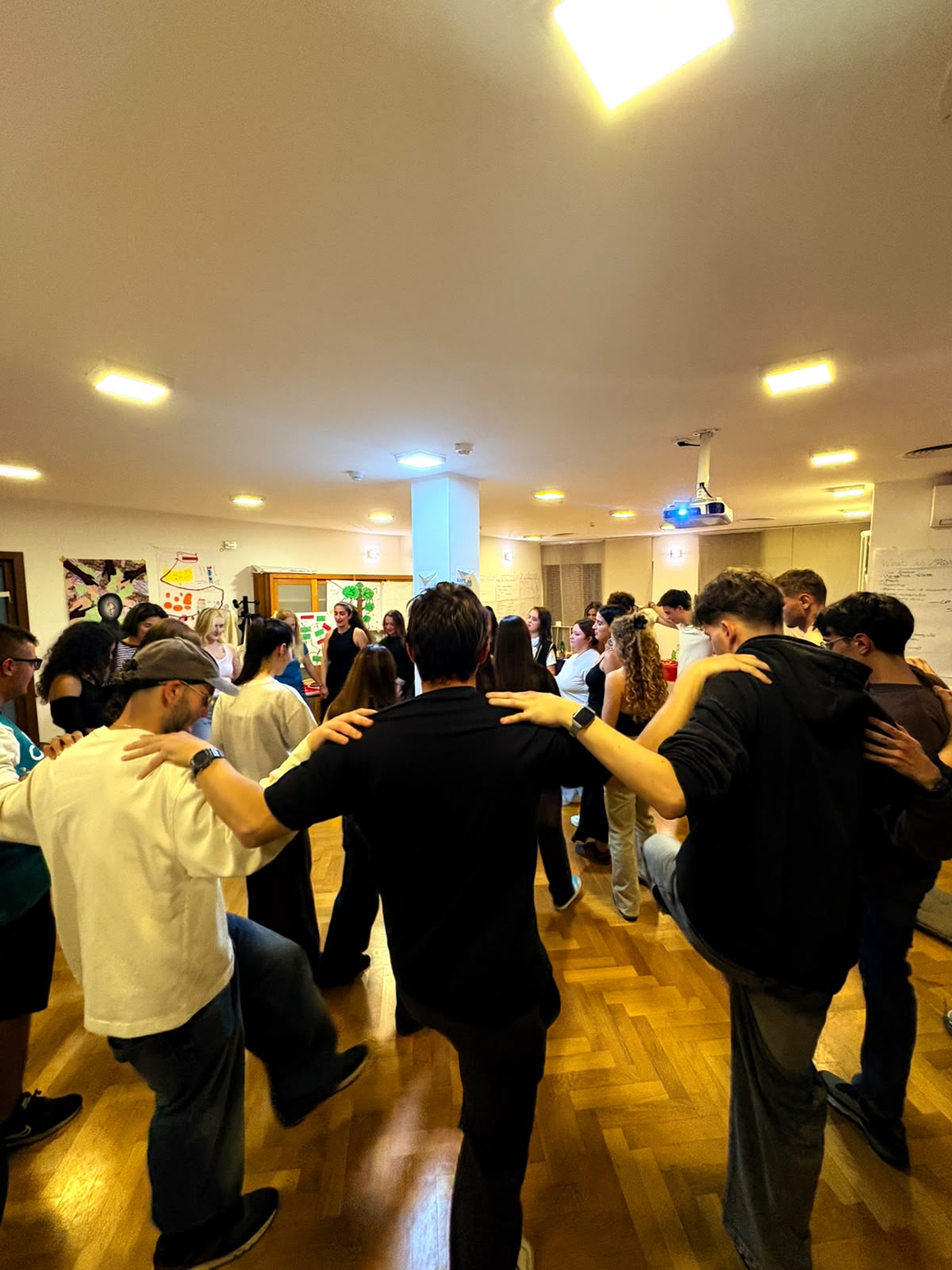
4. Working across multicultural teams encouraged cross-cultural dialogue and provided a broader understanding of how mental health challenges and support systems differ across European societies.
5. Through public speaking, teamwork, and creative problem-solving, participants grew in confidence. Using reflection tools like "Postcards from the Future", they created action plans to promote peer support and de-stigmatization initiatives back in their local communities.
Ultimately, "Unlocking Minds" demonstrated the power of creative, non-formal learning in addressing complex emotional topics, leaving participants equipped with transferable competencies and a strong international network dedicated to positive social change.
Testimonials from participants:
“I am grateful to have participated in the Erasmus+ Youth Exchange “Unlocking Minds - Breaking the Mental-Health Stigma Through Art” in Sarajevo, an enriching experience dedicated to mental health awareness, personal development, creativity, and intercultural dialogue. Through artistic expression, theatre, photography, and non-formal education, I had the opportunity to develop new skills, challenge stereotypes, and deepen my understanding of mental health and the importance of building a more inclusive and supportive society. Beyond the learning experience, I was delighted to meet talented young people from Albania, Bosnia & Herzegovina, Czechia, Greece, Montenegro, Poland, and Portugal, establish meaningful friendships, and discover Sarajevo’s rich history, culture, and traditions.“ - Erald Xhufelaj
“The ROLES project which allowed me to recognise other perspectives of mental health. The facilitators and participants all made this a very memorable experience and made me reflect on how to approach mental health.” - Guilherme Serrão da Silva
“The project exceeded my expectations, as I heard many different stories from people who had experienced stigma. In this way, the project contributed to raising awareness about stigma and its impact. Another important part of this experience was the people I met, with whom I plan to stay in touch both personally and professionally.” - Milica Blečić